Crawlspace Water Damage in Lemon Grove, CA
Over 46 percent of Lemon Grove housing was built before 1960, so older foundations deserve a moisture check after any leak. Where a home has a crawlspace, the crew pumps it out and dries the framing above.
(888) 450-9281Water still spreading in Lemon Grove? Call now.- IICRC S500 drying standard
- Daily moisture readings
- 24/7 dispatch
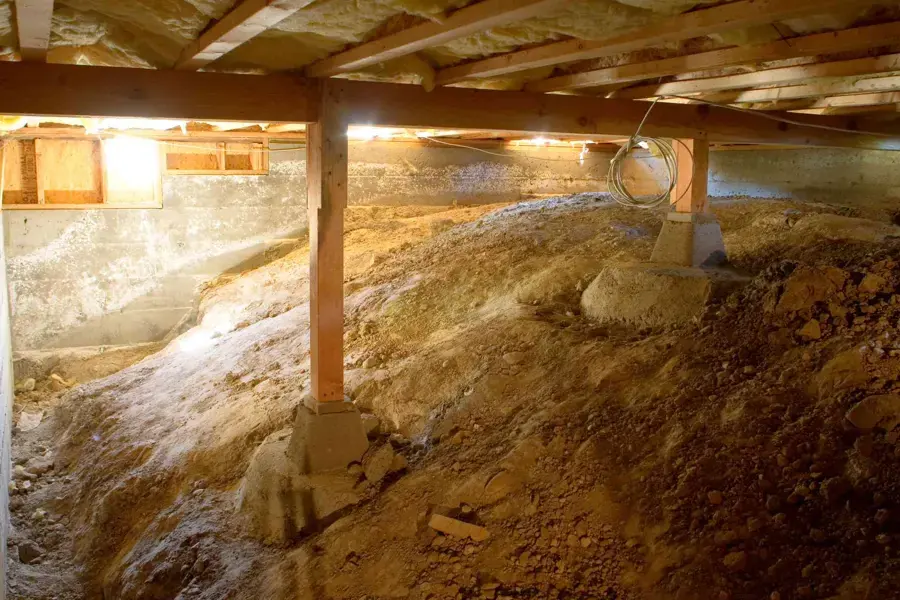
What to do first for crawlspace water damage in Lemon Grove
- 01
Close the valve
Shut the house main if a pipe may be leaking beneath the floor.
- 02
Listen and smell
Note dripping sounds, musty air or soft floorboards above the space.
- 03
Stay out of it
Do not crawl in alone, since wet soil, wiring and low clearance are real hazards.
- 04
Photograph the access
Take dated pictures through the access panel and of any damp spots in the rooms above.
What does crawlspace water damage cost in Lemon Grove, CA?
Crawlspace jobs in Lemon Grove generally cost $1,000 to $5,500, though the figure only applies to homes that have such a space. Contaminated water, deep pooling, removal of insulation and vapor barrier, and a long drying period for the framing are what move a job up the range.
A small clean leak
$1,000 to $2,000
- Water pumped from the space
- Insulation inspected
- One dehumidifier running
Wet insulation and barrier
$2,000 to $3,800
- Insulation and barrier removed
- Joists dried
- Daily meter readings
Sewage or runoff
$3,800 to $5,500+
- Soil and debris removed
- Antimicrobial treatment
- Records for the claim
Every loss is different. For a closer planning number, run the water damage cost calculator.
How crawlspace water damage is handled in Lemon Grove
- 01
Inspect the space
The tech checks the water depth, the source and the condition of insulation and framing through the access, and sets the plan by water category.
- 02
Pump and remove
The extraction crew pumps out standing water and removes soaked insulation and a wet vapor barrier, with debris bagged out of the space.
- 03
Dry the underside
The drying team directs air movers along the joists and runs dehumidifiers until the framing and the soil surface stop releasing moisture.
- 04
Check the floors above
Meters confirm that flooring, baseboards and wall bottoms above the space are dry before the equipment comes out.
The city's Safety Element says Lemon Grove soils, except those in the east Broadway area, have high clay content, and over 46 percent of its housing was built before 1960, with the oldest units concentrated in the southern part of the city. Not every older home has a crawlspace, so the first step is to find out what sits under the floor. Where there is a raised floor with an access panel, water that gets in has no easy way out. Clay holds it, wood framing absorbs it and the dampness rises into the rooms above.
How water gets under a house
These are the usual routes once a crew looks at the foundation:
- A supply or drain pipe leaking beneath the floor
- Roof and gutter water draining toward the foundation
- Storm runoff finding a low spot beside the house
- A plumbing backup that releases dirty water into the space
A leak that has run for a while often shows up first as a soft spot in the floor or a musty smell, long before anyone sees water. Homes on a slope can also take runoff toward the foundation, since the city notes relatively steep slopes in several parts of town.
Drying under the floor
Working in a tight, damp space is slow, so the crew follows a set order:
- Pump out standing water through the lowest point reachable
- Remove wet insulation and any soaked vapor barrier
- Aim air movers along the joists and the underside of the subfloor
- Dehumidify until meters show the wood and the soil surface are dry
- Check pipes, vents and the access for the opening that let the water in
Soft floors, a musty smell or water you can hear under the house? Close the main and get the space pumped out before the framing soaks.
Get the crawlspace pumped and driedThe air and the rooms above
Damp framing can support mold, and air from under the house circulates into living space, so the floors above are tested too. Water that came from runoff follows storm runoff flood cleanup in Lemon Grove, a dirty backup follows sewage cleanup in Lemon Grove, and the final drying stage is described in structural drying in Lemon Grove. Coverage depends on the policy, so check with the insurer.
Crawlspace Water Damage across Lemon Grove, CA
The Lemon Grove restoration crew covers every neighborhood in Lemon Grove, around the clock.
Coverage reaches Downtown and the Depot, Golden Avenue area, Mount Vernon area, San Miguel area, Monterey Heights, San Altos area, Treganza Heritage Park area, La Mesa and Spring Valley, plus ZIP codes 91945, 91946.
Every community and ZIP coveredRelated water damage services in Lemon Grove
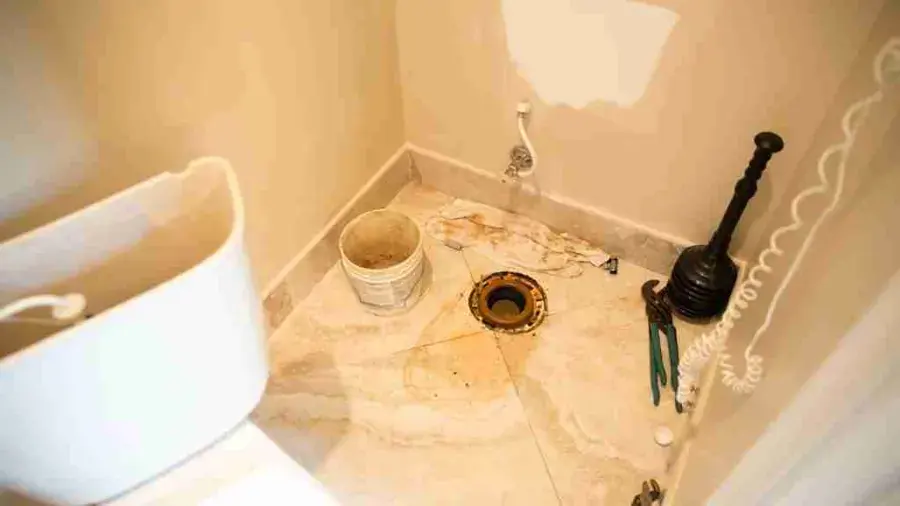 Sewage & Black Water Cleanup in Lemon GroveSee the service
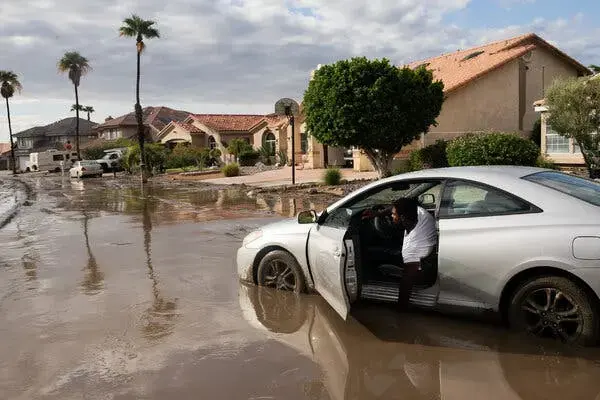 Storm & Hillside Runoff Flood Cleanup in Lemon GroveSee the service
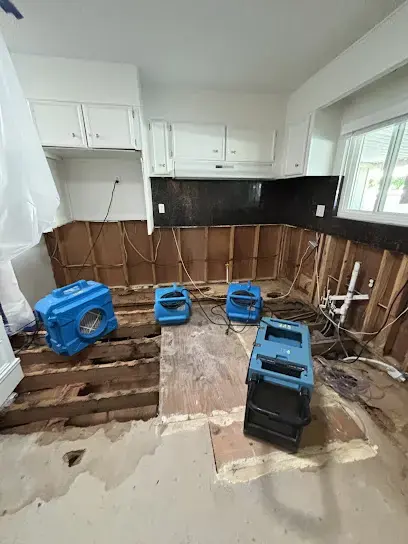 Structural Drying & Dehumidification in Lemon GroveSee the service
 Slab Leak Water Damage in Lemon GroveSee the service
Crawlspace Water Damage in Spring ValleySee the service
Slab Leak Water Damage in Lemon GroveSee the service
Crawlspace Water Damage in Spring ValleySee the service
 Water damage restoration in Lemon GroveSee the service
Crawlspace Water Damage questions in Lemon Grove
A wet floor or wall does not wait for business hours. The response team for Lemon Grove answers around the clock.
Speak with 24/7 dispatch for Lemon GroveHow do I know if there is water under the house?
Signs include soft or bouncy floors, a musty smell, damp baseboards, visible water through the access panel and a rising water bill. A moisture meter on the floor above can confirm it before anyone goes underneath, which keeps the first look safe.
Is crawlspace water dangerous?
It can be. The space is cramped, wiring may be wet and the water can carry contamination, especially after a backup or runoff. Professionals enter with protective gear and take the water category into account first, rather than going in to see what is there.
Does wet crawlspace insulation have to be replaced?
Usually yes. Wet insulation clumps, holds water against the subfloor and does not dry well in place. It is removed and replaced after the framing is dry, together with a soaked vapor barrier, so the new material starts out dry.
How long does a crawlspace take to dry?
Often several days, depending on how much water pooled and how damp the soil is. Moist soil keeps releasing humidity, so equipment stays until readings show the framing and the air have settled.
Does every Lemon Grove home have a crawlspace?
No. Over 46 percent of Lemon Grove housing was built before 1960, so older foundations are common, but the type varies house by house. A walk around the foundation shows whether a space exists.
Will insurance cover crawlspace water damage?
A sudden pipe failure is often covered, while groundwater, seepage and flooding usually need separate coverage or are excluded. Policies differ, so ask the insurer before work is signed off, and keep the photos of the space before and after.
Crawlspace Water Damage in Lemon Grove? Call now.
The sooner extraction starts, the less drywall, flooring and framing has to come out. One call starts the moisture map.