Slab Leak Water Damage in Lemon Grove, CA
Shrink-swell clay under Lemon Grove foundations can crack a buried pipe long before a puddle shows. The restoration team maps the wet footprint, opens only what must come up and dries the floor to readings.
(888) 450-9281Water still spreading in Lemon Grove? Call now.- IICRC S500 drying standard
- Daily moisture readings
- 24/7 dispatch
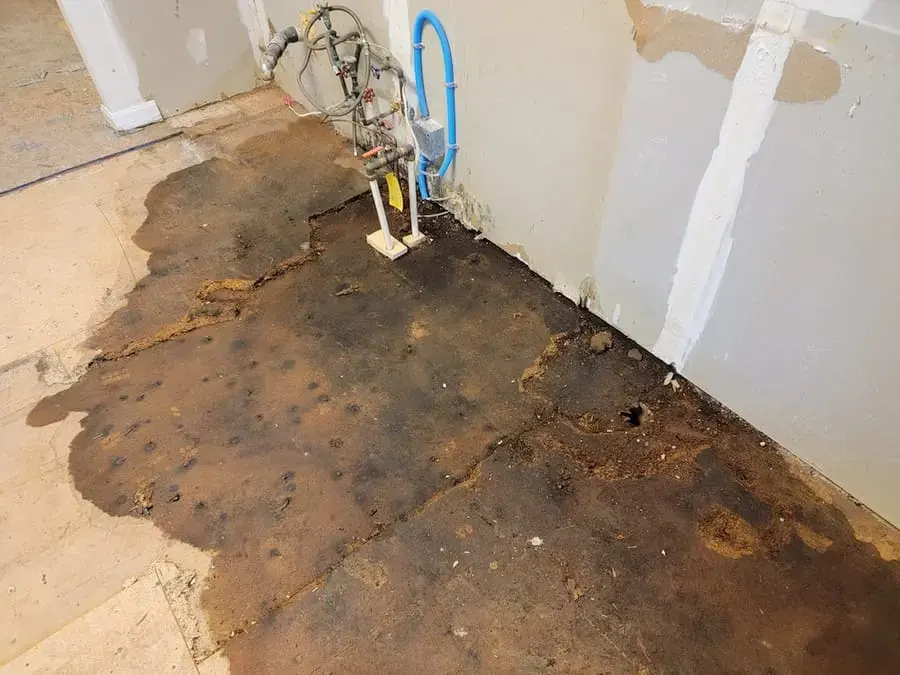
What to do first for slab leak water damage in Lemon Grove
- 01
Close the house valve
Turn the main valve shut so the cracked pipe stops refilling the floor.
- 02
Watch the meter
Keep every tap and appliance off and watch the Helix Water District meter; a dial that creeps means a hidden leak.
- 03
Alert the building
Tell the manager and the neighbors in a shared building, because moisture under a floor travels.
- 04
Photograph the signs
Record stains, lifting boards and the meter reading with the date visible before anything is moved.
What does slab leak water damage cost in Lemon Grove, CA?
Slab leak drying in Lemon Grove usually costs $1,500 to $7,500 for the water damage side alone, while the pipe repair is a separate plumbing bill. Longer leaks, more rooms, thick tile and a need for desiccant units all push the figure toward the top.
One room, found fast
$1,500 to $3,000
- Meters and thermal scan
- Baseboards and pad out
- Fans plus one LGR dehumidifier
Tile or multiple rooms
$3,000 to $5,500
- Flooring cut back at the wet spot
- Drying mats on the concrete
- Readings logged each day
Long-running or two units
$5,500 to $7,500+
- Cabinets and wall sections out
- Desiccant drying of the concrete
- Separate paperwork per unit
Every loss is different. For a closer planning number, run the water damage cost calculator.
How slab leak water damage is handled in Lemon Grove
- 01
Chart the damp zone
A thermal camera and pinless meters outline the wet floor, baseboards and walls, and the neighbor's side is checked wherever a wall is shared.
- 02
Cut open sparingly
Flooring comes up only over trapped water, and drywall is cut only where the readings stay stubbornly high.
- 03
Draw moisture from the slab
The drying team tapes down mats or sets desiccant dehumidifiers over dense areas, while air movers and LGR units handle the rooms.
- 04
Confirm with the meters
Daily readings continue until concrete and framing land near a dry spot elsewhere in the same building.
Ground movement is a known Lemon Grove issue. The city's Safety Element says its soils, except those in the east Broadway area, are high in clay with strong shrink-swell potential that can shift and crack foundations, and a supply pipe buried under a moving foundation can crack with it. Where a house or ground-floor unit sits on concrete, the leaking water rises into the flooring and the base of the walls long before it pools anywhere visible. The restoration team approaches it as drying work: find every wet area, remove what cannot recover, then dry the concrete itself.
How an owner spots a hidden leak
Water under a floor stays hidden, so the evidence is indirect:
- A water bill that jumps with no change in habits
- A meter dial that keeps moving while every fixture is off
- A warm patch underfoot, which can point to the hot side
- Damp carpet, lifting laminate or cupped planks along a single wall
- Baseboards that stain or swell upward from the floor
Locating and repairing the pipe belongs to a plumber. Once water has escaped, the drying crew takes the job from there, and the warning signs of a slab leak are laid out step by step in the checker.
Opening and drying the floor
Older Lemon Grove houses mix finishes from room to room, so the plan follows the meters instead of a fixed recipe. The sequence on site:
- Lift pad, laminate or tile only in the zones the readings flag
- Pull swollen trim and open drywall where the numbers hold high
- Tape drying mats over wet concrete or set desiccant units on dense areas
- Match air movers and LGR dehumidifiers to each room's size
Climbing bills, a warm floor and darkening baseboards together suggest water is escaping beneath the floor today.
Get the floor dried before it spreadsIf the dampness reaches a wall shared with a neighbor, the crew takes readings on that side too, and each household ends up with its own photos and logs.
What the insurer will want to see
Insurers frequently treat the plumbing repair and the resulting water damage as two separate items, and the paperwork settles the second one. A Lemon Grove file holds the first moisture map, the daily logs, pictures of flooring taken before it came up and the category and class of the loss. Coverage depends on the policy, so ask the insurer early. Leaks that ran for weeks often need structural drying in Lemon Grove and water extraction, and the Lemon Grove water damage restoration team handles the rest of the house.
Slab Leak Water Damage across Lemon Grove, CA
The Lemon Grove restoration crew covers every neighborhood in Lemon Grove, around the clock.
Coverage reaches Downtown and the Depot, Golden Avenue area, Mount Vernon area, San Miguel area, Monterey Heights, San Altos area, Treganza Heritage Park area, La Mesa and Spring Valley, plus ZIP codes 91945, 91946.
Every community and ZIP coveredRelated water damage services in Lemon Grove
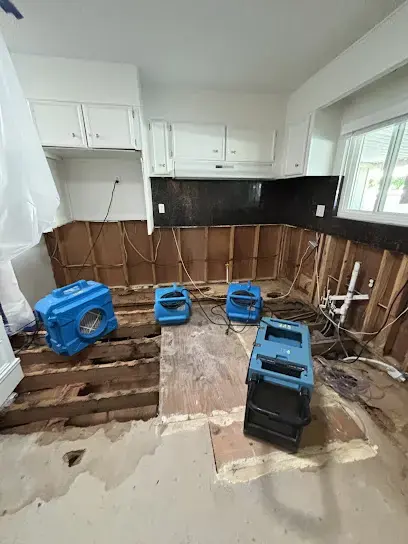 Structural Drying & Dehumidification in Lemon GroveSee the service
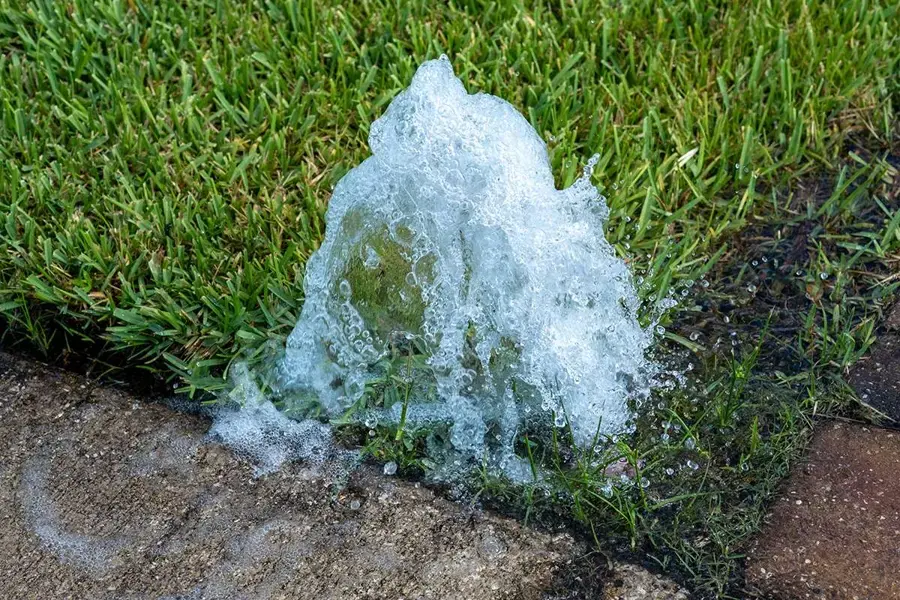 Irrigation & Sprinkler Leak Damage in Lemon GroveSee the service
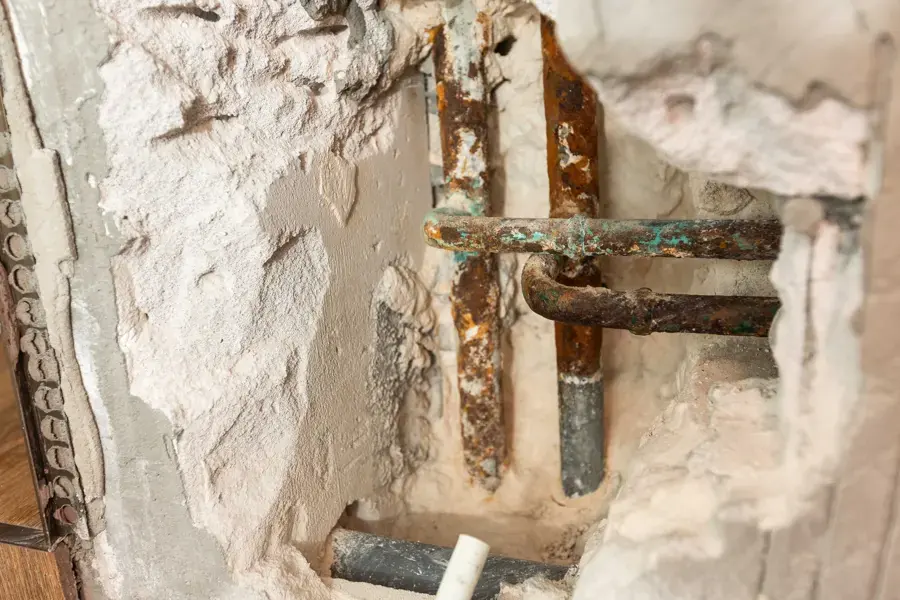 Burst Pipe Cleanup in Lemon GroveSee the service
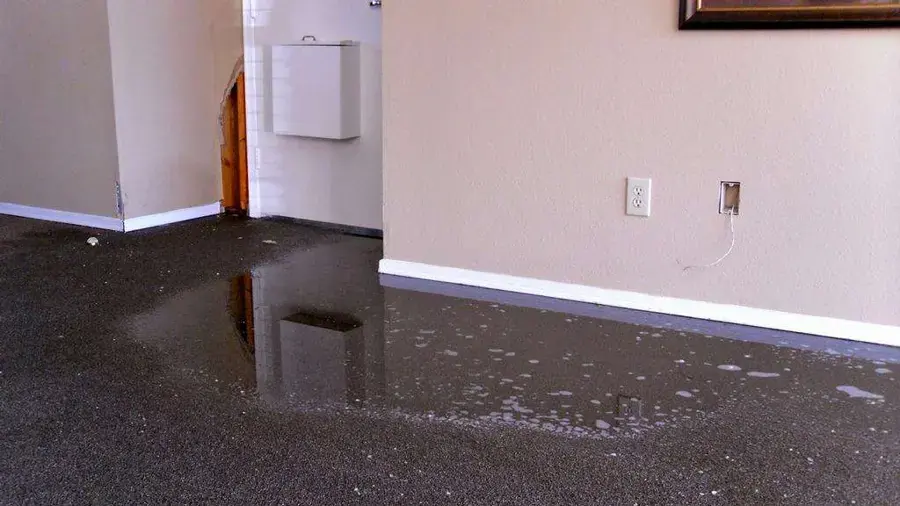 Water Extraction & Removal in Lemon GroveSee the service
Slab Leak Water Damage in Spring ValleySee the service
Water Extraction & Removal in Lemon GroveSee the service
Slab Leak Water Damage in Spring ValleySee the service
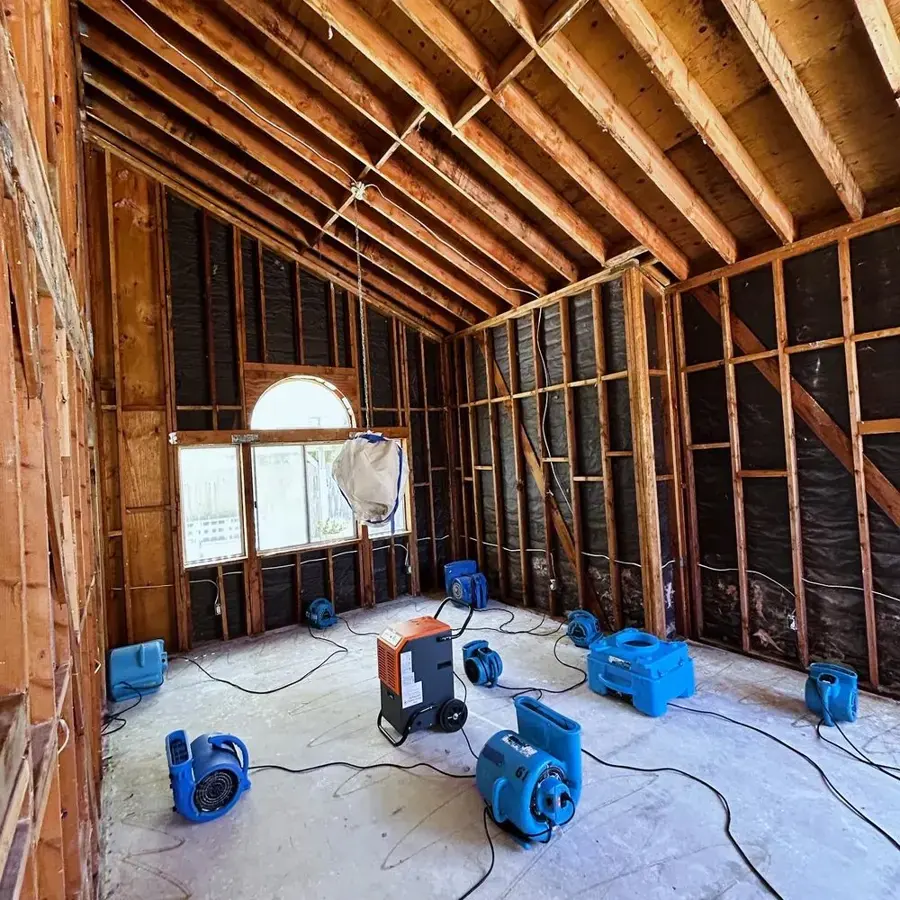 Water damage restoration in Lemon GroveSee the service
Slab Leak Water Damage questions in Lemon Grove
A wet floor or wall does not wait for business hours. The response team for Lemon Grove answers around the clock.
Speak with 24/7 dispatch for Lemon GroveHow do I know a Lemon Grove floor has a slab leak?
Combine the clues: a bill that keeps rising, a meter dial moving in a quiet house, a damp or warm patch, and baseboards darkening from below. A leak detection plumber finds the pipe, and moisture mapping shows how far the water traveled.
Does the entire floor have to come out?
Rarely. Meters mark the wet zone and only that section is opened. Tile over soaked concrete usually lifts because the concrete cannot dry through it, while carpet can often be pulled back, dried and relaid.
Can shifting soil really make a pipe leak?
The Safety Element describes high-clay soils that swell and shrink and can shift or crack foundations. A pipe buried beneath a moving foundation can crack too, so a plumber checks it once the water is under control.
Who repairs the pipe and who dries the house?
A plumber locates the break and fixes or reroutes the pipe. Extracting water, removing wet materials, drying concrete and framing, and keeping the insurer's records fall to the restoration team.
What if a neighbor's unit is also wet?
Water under a floor does not stop at a unit wall. The crew measures each affected home, records it apart from the others and coordinates with the building manager.
Does insurance pay for slab leak damage?
It varies. Sudden discharge from a failed pipe is commonly handled as a water loss, but fixing the pipe and long seepage often fall outside it. Policies differ, so check with the insurer before flooring is removed.
Can mold grow under a wet floor?
It can. Pad, laminate and trim that stay wet may start growing mold within 24 to 48 hours, which is why extraction and measured drying begin right away.
Slab Leak Water Damage in Lemon Grove? Call now.
The sooner extraction starts, the less drywall, flooring and framing has to come out. One call starts the moisture map.