Slab Leak Water Damage in Spring Valley, CA
A slab leak soaks the floor from below for weeks before anyone sees it. The restoration team finds the wet footprint, lifts what has to come up and dries the slab to readings.
(888) 450-9281Water still spreading in Spring Valley? Call now.- IICRC S500 drying standard
- Daily moisture readings
- 24/7 dispatch
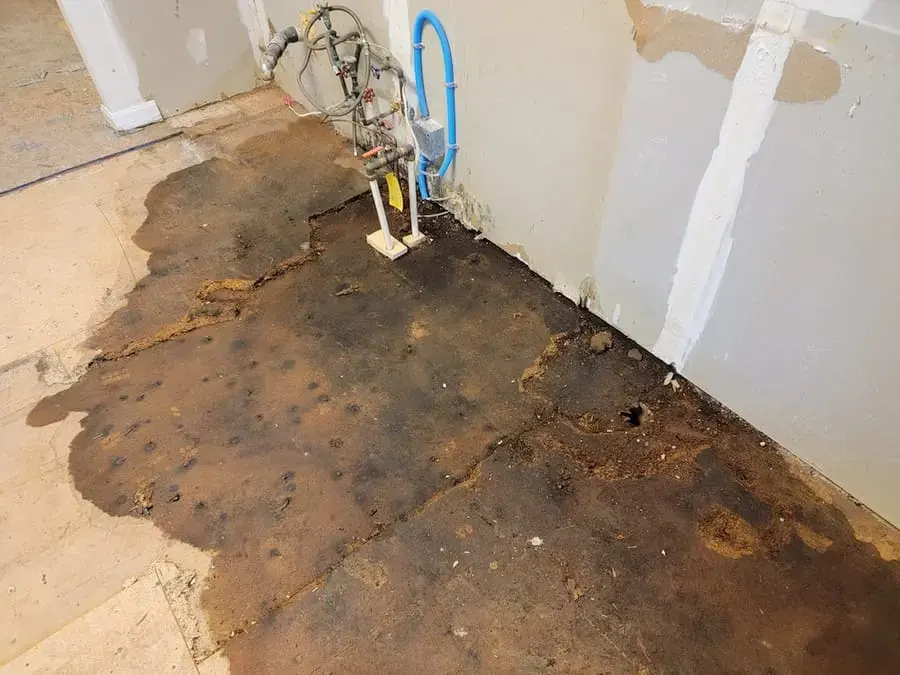
What to do first for slab leak water damage in Spring Valley
- 01
Shut the main
Close the main shut-off at the meter or the house valve to stop feeding the leak.
- 02
Read the meter
With every fixture off, a moving meter dial confirms water is still escaping somewhere.
- 03
Clear the wet zone
Lift rugs and move furniture off warm or damp spots on the floor.
- 04
Photograph it
Take dated photos of stains, warped boards and the meter before anything is opened.
What does slab leak water damage cost in Spring Valley, CA?
In Spring Valley, CA, water damage from a slab leak typically runs $1,500 to $7,500 for the mitigation and drying, separate from the plumbing repair. The drivers are how long the leak ran, how many rooms the water spread under, the flooring type and whether the slab needs desiccant drying.
One room, caught early
$1,500 to $3,000
- Moisture mapping
- Baseboard and pad removal
- Air movers and LGR dehumidifier
Several rooms or tile
$3,000 to $5,500
- Flooring lifted in the wet zone
- Floor drying mats on the slab
- Daily readings and logs
Long-running leak
$5,500 to $7,500+
- Wall and cabinet removal
- Desiccant drying of the slab
- Full claim documentation
Every loss is different. For a closer planning number, run the water damage cost calculator.
How slab leak water damage is handled in Spring Valley
- 01
Moisture map first
The tech who does the walkthrough maps wet materials with pinless meters and thermal imaging before any equipment goes down.
- 02
Stop and extract
The source gets isolated, then the extraction crew pulls standing water with truck-mounted or portable extraction.
- 03
Set the drying plan
The drying team sets air movers to the evaporation load of each room and runs LGR dehumidifiers, or desiccants for dense materials.
- 04
Read daily, then verify
Crews log readings every day and pull equipment only when the wet material sits within 2 to 4 points of a dry reference.
Many Spring Valley homes are ranch and split-level houses from the 1950s through the 1980s, built on concrete slabs with copper supply pipe running through or under the concrete. After decades of hard San Diego water and pressure on hillside streets, that copper can develop pinhole leaks. The water rises into the slab, the tack strip and the bottom of the drywall long before a puddle shows up. The restoration team treats it as a drying problem first: find every wet square foot, remove what cannot be dried, and dry the concrete itself.
Signs a slab leak is soaking the floor
A slab leak rarely announces itself. These are the signs most Spring Valley homeowners notice first:
- A water bill that jumps with no change in use
- A warm spot on tile or hardwood when the leak is on the hot side
- The sound of running water with every fixture off
- Damp carpet, lifting laminate or cupped hardwood along one wall
- Baseboards that swell or stain from the floor up
The EPA WaterSense program explains how to check a water meter for hidden leaks at EPA WaterSense Fix a Leak Week. A plumber with leak detection locates and repairs the pipe; the restoration crew handles the water that already moved into the house.
How the slab and the room get dried
The tech who does the walkthrough maps moisture across the slab, the walls and the cabinets with pinless meters and thermal imaging, then marks the wet footprint. From there the drying team works in a set order:
- Pull wet carpet pad, laminate or tile where water is trapped beneath it
- Remove swollen baseboards and cut drywall only where readings stay high
- Lay floor drying mats or run desiccant dehumidifiers on dense concrete
- Set air movers and LGR dehumidifiers to the room's evaporation load
Warm floor, high bill, wet baseboard? A slab leak keeps feeding water into the concrete until the pipe is shut off and the slab is dried.
Call before the slab leak spreads furtherDocumentation for the claim
Homeowners policies often treat the pipe repair and the resulting water damage differently, so the paper trail matters. Restoration crews record the moisture map from the first visit, daily psychrometric readings, photos of the wet flooring before it comes up, and the category and class of the loss. Coverage depends on your policy, so it is worth checking with your own insurer; the California Department of Insurance has consumer help for homeowners claims. Related work often includes structural drying and water extraction when the leak has been running a while.
Slab Leak Water Damage across Spring Valley and East County
The Spring Valley restoration crew covers the hillside streets, the Sweetwater River side of town and the neighboring East County communities, 24/7.
Coverage reaches La Presa, Casa de Oro, Mount Helix, Rancho San Diego, Lemon Grove, La Mesa, Bonita, Sweetwater, El Cajon, National City and Jamul, plus ZIP codes 91977, 91978, 91976, 91979.
Every community and ZIP coveredRelated water damage services in Spring Valley
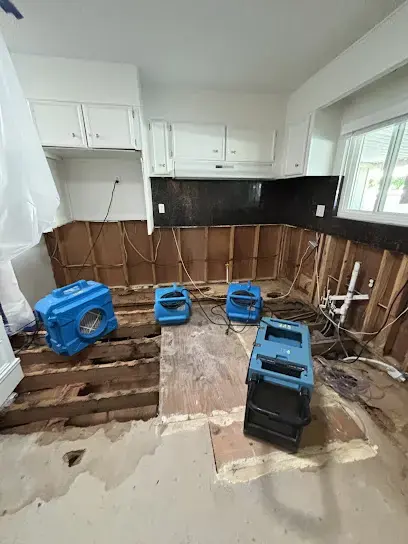
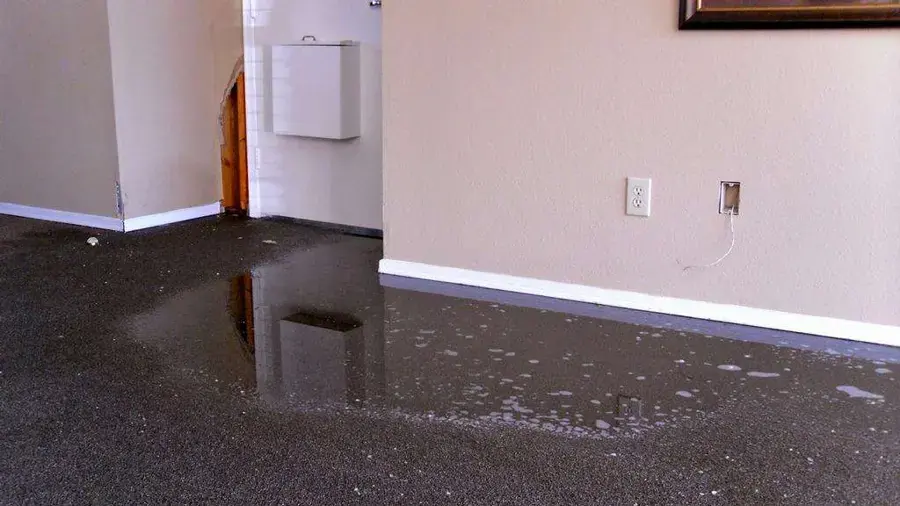
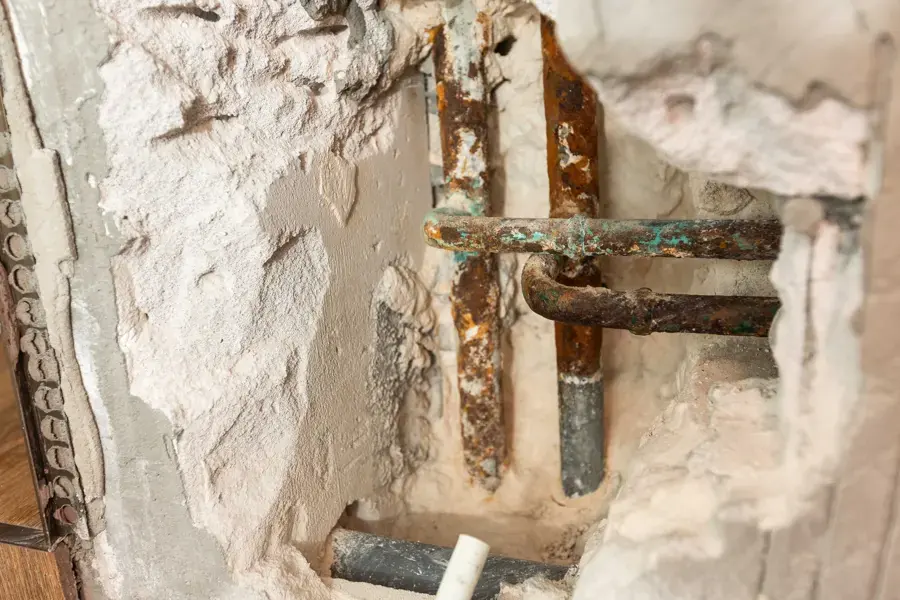
Slab Leak Water Damage questions in Spring Valley
A wet floor or wall does not wait for business hours. The response team for Spring Valley answers around the clock.
Speak with 24/7 dispatch for Spring ValleyHow do I know if water damage is from a slab leak?
Look for a combination of signs: a rising water bill, a meter that moves with every fixture off, warm or damp spots on the floor, and flooring that lifts or stains from below. A plumber confirms the pipe; the restoration crew maps how far the water spread.
Does all the flooring have to come up after a slab leak?
Usually not. The moisture map shows the wet footprint, and flooring comes up only where water is trapped beneath it. Tile over a wet slab often has to come up because the slab cannot dry through it.
How long does it take to dry a wet slab?
A slab caught early often dries in three to five days with mats and LGR dehumidifiers. A leak that ran for weeks can take longer, and crews decide when it is done by readings against a dry reference area, not by the calendar.
Who fixes the pipe and who dries the house?
A plumber with leak-detection equipment locates and repairs or reroutes the pipe. The restoration team handles extraction, removal of wet materials, drying and the documentation for the claim.
Is slab leak water damage covered by insurance?
Many policies cover sudden water damage from a plumbing leak but treat the pipe repair and long-term seepage differently. Coverage depends on your policy, so it is worth checking with your own insurer early.
Why are slab leaks common in Spring Valley?
A large share of homes here are older slab-built ranch houses with copper supply pipe. Hard water, age and pressure on hillside streets wear that copper over time, and pinhole leaks are a common result.
Can mold grow from a slab leak?
Yes. Water held under carpet pad or behind baseboards can support mold growth within 24 to 48 hours once materials stay wet. Fast drying is what keeps a slab leak a water loss.
Slab Leak Water Damage in Spring Valley? Call now.
The sooner extraction starts, the less drywall, flooring and framing has to come out. One call starts the moisture map.