Appliance & Supply Hose Leak Cleanup in Spring Valley, CA
A burst washer hose or a cracked ice-maker tube runs at full house pressure until someone notices. The restoration team pulls the water out from under floors and cabinets and dries them.
(888) 450-9281Water still spreading in Spring Valley? Call now.- IICRC S500 drying standard
- Daily moisture readings
- 24/7 dispatch
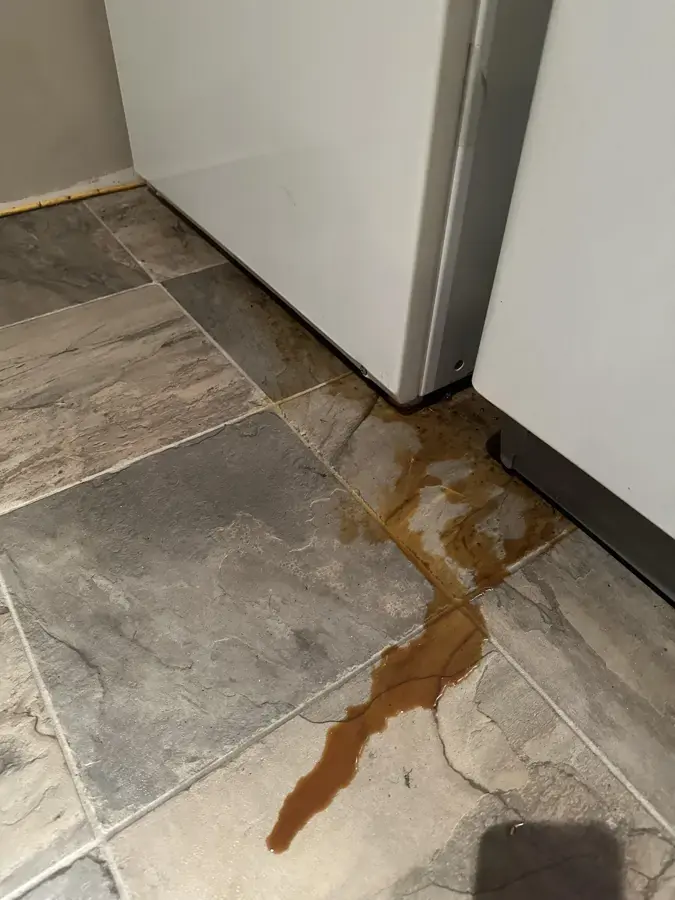
What to do first for appliance and supply hose leak cleanup in Spring Valley
- 01
Close the valve
Shut the fixture valve behind the appliance or the main for the house.
- 02
Unplug safely
Unplug the appliance only if the outlet and your hands are dry.
- 03
Pull out the kick plates
Remove dishwasher and cabinet toe-kicks to let trapped water show.
- 04
Photograph the hose
Keep the failed hose or part and take photos for the claim.
What does appliance and supply hose leak cleanup cost in Spring Valley, CA?
In Spring Valley, CA, appliance and supply hose leak cleanup typically runs $700 to $4,000, depending on whether the water was supply or drain water, how long it ran, and whether cabinets, laminate or hardwood got wet.
Caught quickly
$700 to $1,500
- Extraction
- Toe-kicks removed
- Fans and dehumidifier
Under cabinets and flooring
$1,500 to $2,800
- Cabinet drying
- Laminate or pad removal
- Daily readings
Ran for hours
$2,800 to $4,000+
- Multiple rooms
- Cabinet removal if needed
- Claim documentation
Every loss is different. For a closer planning number, run the water damage cost calculator.
How appliance and supply hose leak cleanup is handled in Spring Valley
- 01
Moisture map first
The tech who does the walkthrough maps wet materials with pinless meters and thermal imaging before any equipment goes down.
- 02
Stop and extract
The source gets isolated, then the extraction crew pulls standing water with truck-mounted or portable extraction.
- 03
Set the drying plan
The drying team sets air movers to the evaporation load of each room and runs LGR dehumidifiers, or desiccants for dense materials.
- 04
Read daily, then verify
Crews log readings every day and pull equipment only when the wet material sits within 2 to 4 points of a dry reference.
Supply hoses are the quiet weak point in a Spring Valley kitchen or laundry room. Rubber washer hoses harden and split, braided toilet and faucet connectors fail at the crimp, and the thin plastic tube to a refrigerator ice maker cracks when the fridge gets pushed back. Because these hoses sit at full house pressure, a failure runs until someone closes a valve. On a hillside home where the pressure regulator has worn out, hoses fail sooner.
The usual suspects
- Washing machine fill hoses, especially original rubber ones
- Refrigerator ice-maker and water dispenser tubing
- Dishwasher supply and drain connections under the sink
- Toilet and faucet braided supply connectors
- Water softener and filter connections in the garage
Drying the hidden spaces
The biggest risk with an appliance leak is water you cannot see. The tech who does the walkthrough checks under cabinets, behind the appliance and through the wall to the next room. Then the drying team:
- Extracts the floor and removes toe-kicks and bottom panels
- Drills small vent holes or uses injection drying in cabinet bases
- Lifts laminate or pad where water is trapped
- Runs air movers and LGR dehumidification to the drying goal
Water spreading from the washer, the fridge or the dishwasher? Close the valve behind it and get the cabinets and floor dried.
Call about the appliance leakPreventing the next one
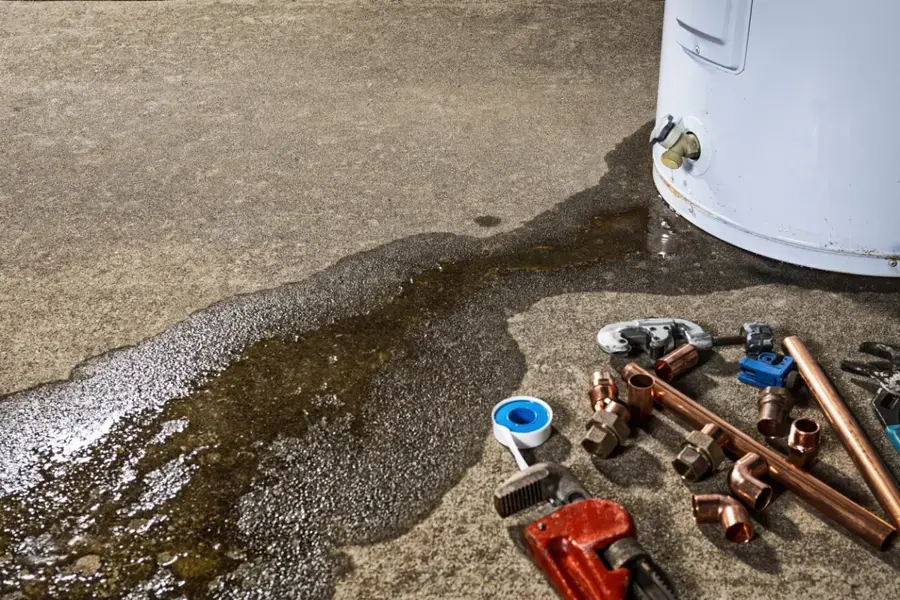
Replace rubber washer hoses with braided ones every five years, leave space behind the washer so the hoses do not kink, and check the ice-maker tube when the fridge moves. The EPA Fix a Leak Week page lists simple household leak checks. Washer drain water that overflows from a clogged drain may count as Category 2 water, and a backed-up drain is handled with sewage cleanup procedures. Larger losses move to structural drying, and a nearby tank failure is covered on the water heater page.
Appliance and Supply Hose Leak Cleanup across Spring Valley and East County
The Spring Valley restoration crew covers the hillside streets, the Sweetwater River side of town and the neighboring East County communities, 24/7.
Coverage reaches La Presa, Casa de Oro, Mount Helix, Rancho San Diego, Lemon Grove, La Mesa, Bonita, Sweetwater, El Cajon, National City and Jamul, plus ZIP codes 91977, 91978, 91976, 91979.
Every community and ZIP coveredRelated water damage services in Spring Valley
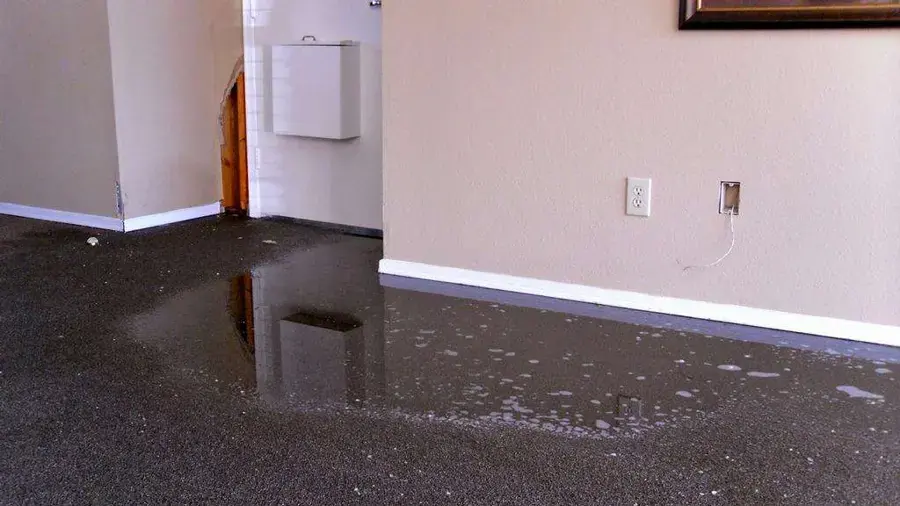
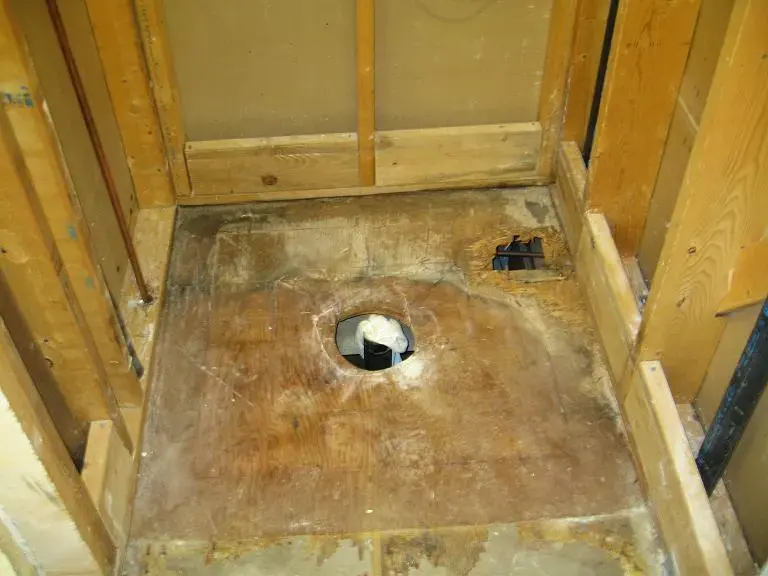
Appliance and Supply Hose Leak Cleanup questions in Spring Valley
A wet floor or wall does not wait for business hours. The response team for Spring Valley answers around the clock.
Speak with 24/7 dispatch for Spring ValleyHow much water can a burst washer hose release?
A failed fill hose at house pressure can release several gallons a minute, so a leak that runs for an hour can soak several rooms.
Do kitchen cabinets have to be removed after a leak?
Often not. Removing toe-kicks and drying the cabinet bases with air and dehumidification saves many cabinets. Particleboard that swells usually has to be replaced.
Is washer water clean?
Supply water from a fill hose is clean Category 1 water. Drain water from a washer or dishwasher is Category 2 gray water and needs cleaning as well as drying.
How often should washer hoses be replaced?
A common recommendation is every five years, and braided stainless hoses hold up better than rubber.
Will insurance cover an appliance leak?
Sudden hose failures are often covered after the deductible, while slow leaks may not be. Coverage depends on your policy, so it is worth checking with your own insurer.
How long does drying take after an appliance leak?
Most contained appliance leaks dry in two to four days. Water under cabinets, hardwood or tile takes longer, and readings decide when equipment leaves.
Appliance and Supply Hose Leak Cleanup in Spring Valley? Call now.
The sooner extraction starts, the less drywall, flooring and framing has to come out. One call starts the moisture map.