Structural Drying & Dehumidification in Lemon Grove, CA
With a median build year near 1969 and over 46 percent of homes older than 1960, drying aged framing and subfloors is a regular Lemon Grove need. The drying team runs equipment until the readings say dry.
(888) 450-9281Water still spreading in Lemon Grove? Call now.- IICRC S500 drying standard
- Daily moisture readings
- 24/7 dispatch
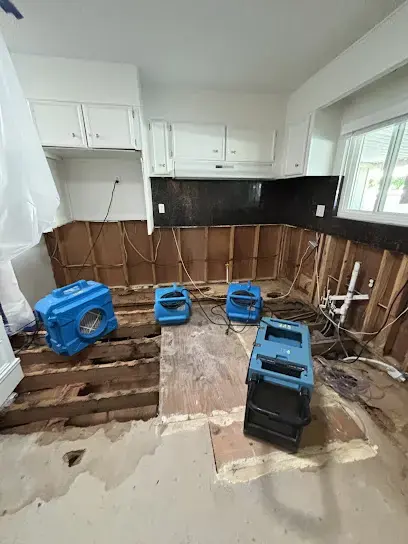
What to do first for structural drying and dehumidification in Lemon Grove
- 01
Stop new water
Confirm the source is shut off or repaired before drying begins.
- 02
Keep it closed up
Leave doors and windows shut while equipment runs, so humidity stays controlled.
- 03
Leave the gear alone
Do not unplug or move equipment, and report any unit that stops.
- 04
Save the records
Keep the daily log sheets and the photos from each visit for the insurer, and ask for copies.
What does structural drying and dehumidification cost in Lemon Grove, CA?
Structural drying in Lemon Grove usually costs $1,200 to $6,000. Mostly it comes down to how many air movers and dehumidifiers a job needs and for how many days, with the water class, the wet materials and how soon drying began adjusting the total.
Class 1 or 2, a single area
$1,200 to $2,500
- Wet areas mapped
- A dehumidifier and fans
- Several days of readings
Class 3, several rooms
$2,500 to $4,500
- More than one drying zone
- Wall cavities dried
- Humidity logs each day
Class 4, dense materials
$4,500 to $6,000+
- Desiccant dehumidifiers
- Mats on floors and concrete
- Longer monitoring
Every loss is different. For a closer planning number, run the water damage cost calculator.
How structural drying and dehumidification is handled in Lemon Grove
- 01
Map and classify
The tech measures wet areas with pinless meters and a thermal camera, assigns the S500 class and plans each drying zone.
- 02
Set the equipment
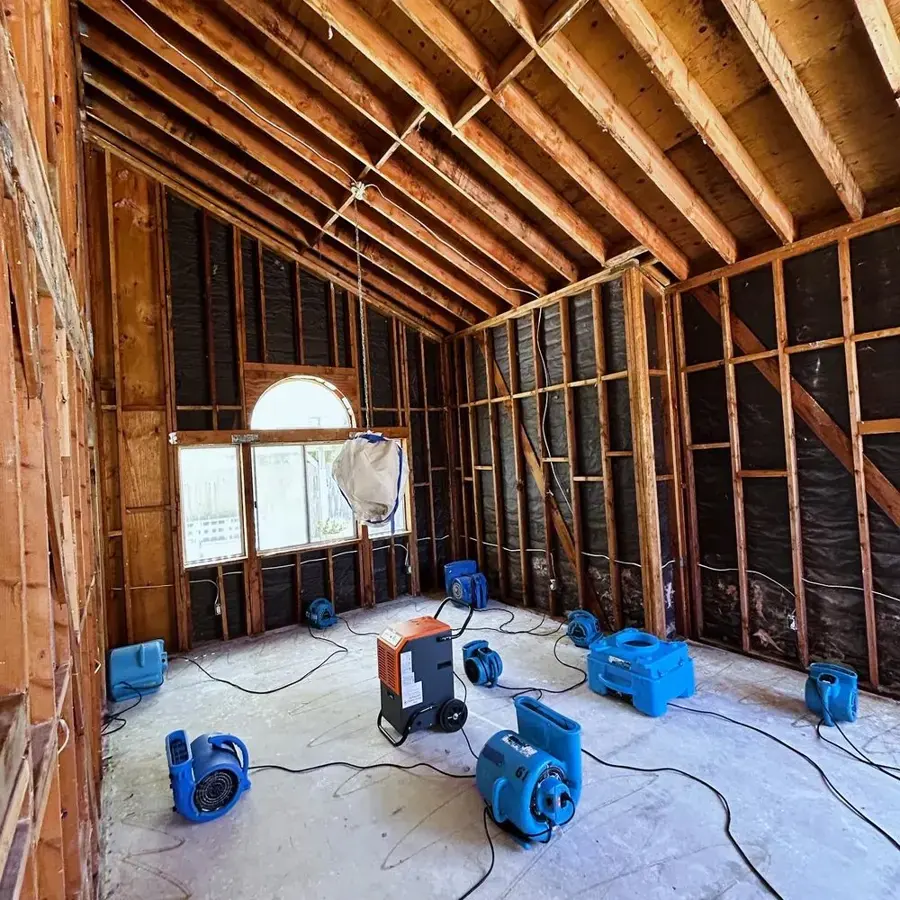
The drying team places air movers by each room's load and chooses LGR or desiccant dehumidifiers to match the materials.
- 03
Monitor every day
Crews record moisture and humidity daily and move or remove equipment as individual rooms reach their targets.
- 04
Verify and release
Equipment comes out only when wet materials read near a dry sample from the same building, and the logs go into the file.
The median Lemon Grove home was built around 1969, and over 46 percent of the city's housing predates 1960. Older houses mean older framing, subfloors and layered finishes, and those hold water longer than a quick look suggests. Structural drying is the stage that matters most in this kind of building. Water is pulled out first, then the building is dried to the same dry readings as an undamaged wall, using equipment sized to each room. Skipping it is how a quickly mopped floor turns into swollen trim and a stained wall a month later.
How drying works in an older house
Drying is controlled evaporation. Air movers lift moisture off wet surfaces, and dehumidifiers take it out of the air so it cannot settle somewhere else:
- Air movers set along walls and across floors to move the damp air
- LGR dehumidifiers that run efficiently even when the air is already fairly dry
- Desiccant dehumidifiers for dense materials such as concrete and hardwood
- Drying mats and injection drying for floors and wall cavities
Readings, not touch
A wall can feel dry while the plate at its base is still wet. The crew compares meter readings with a dry sample from the same building and logs them daily:
- Moisture content in studs, subfloor and drywall
- Temperature and humidity in each drying zone
- Changes in equipment placement as rooms dry
- Readings from a dry reference wall, kept for comparison
Those logs are also what the insurer sees at the end of the job.
Wet framing, cabinets or a floor? Drying to readings is what keeps a water loss from turning into a mold problem.
Get the structure dried to readingsSemi-desert air helps, but not alone
The city's Safety Element calls Lemon Grove a semi-desert climate. Dry outdoor air can speed evaporation when the building is sealed and the equipment runs correctly, but it cannot pull water from studs and subfloors by itself, and opening windows in a wet house lets humid air in as well. Equipment stays closed in and running until the numbers settle. After a pump-out, the next step is usually water extraction in Lemon Grove, and a loss that began under a concrete floor follows slab leak drying in Lemon Grove.
Structural Drying and Dehumidification across Lemon Grove, CA
The Lemon Grove restoration crew covers every neighborhood in Lemon Grove, around the clock.
Coverage reaches Downtown and the Depot, Golden Avenue area, Mount Vernon area, San Miguel area, Monterey Heights, San Altos area, Treganza Heritage Park area, La Mesa and Spring Valley, plus ZIP codes 91945, 91946.
Every community and ZIP coveredRelated water damage services in Lemon Grove
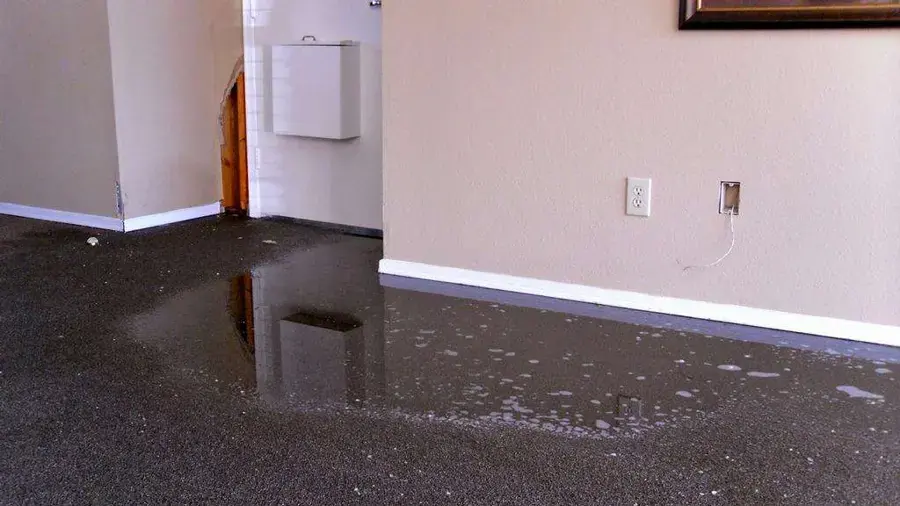 Water Extraction & Removal in Lemon GroveSee the service
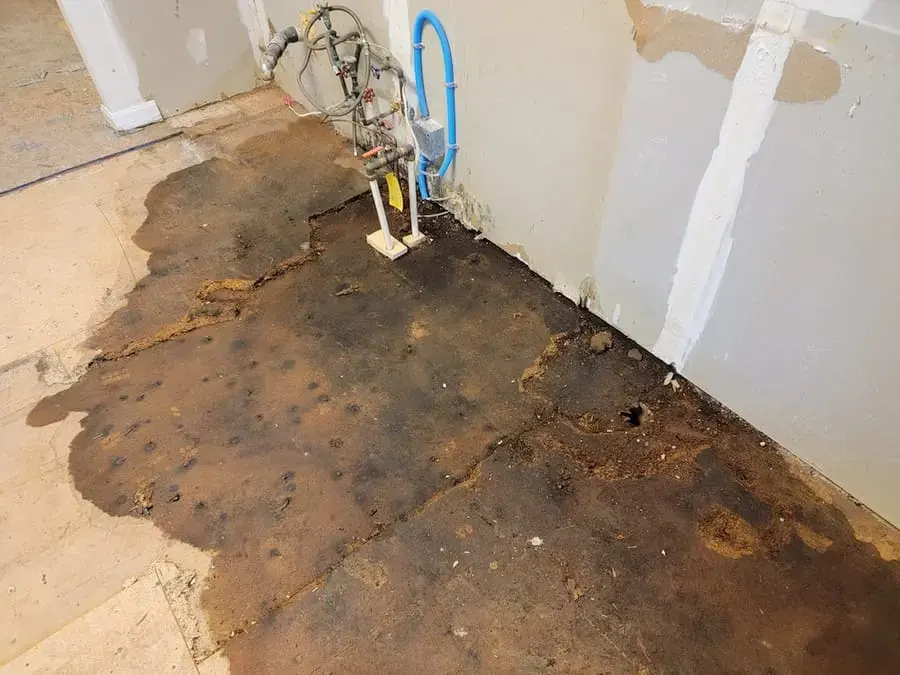 Slab Leak Water Damage in Lemon GroveSee the service
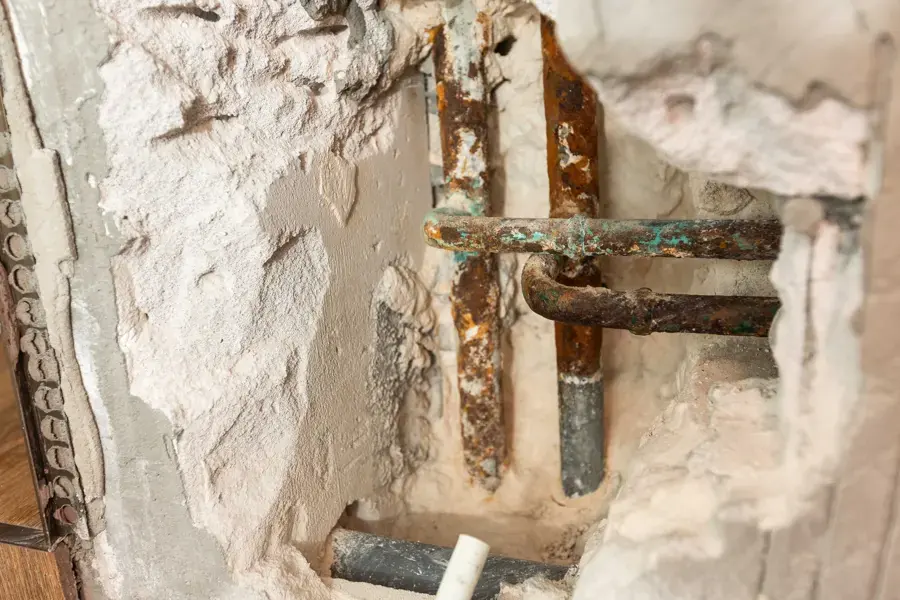 Burst Pipe Cleanup in Lemon GroveSee the service
 Shower & Bathroom Leak Damage in Lemon GroveSee the service
Structural Drying & Dehumidification in Spring ValleySee the service
Shower & Bathroom Leak Damage in Lemon GroveSee the service
Structural Drying & Dehumidification in Spring ValleySee the service
 Water damage restoration in Lemon GroveSee the service
Structural Drying and Dehumidification questions in Lemon Grove
A wet floor or wall does not wait for business hours. The response team for Lemon Grove answers around the clock.
Speak with 24/7 dispatch for Lemon GroveWhat does IICRC S500 mean for a homeowner?
It is the industry standard for professional water damage restoration. It classes the loss, guides the equipment and sets the drying goal, and it gives the insurer a consistent record of how the job was done, so the work does not rest on opinion.
How long does structural drying take?
A contained loss often dries in three to five days. Hardwood, tile over concrete and multi-layer floors take longer, and equipment leaves when readings say dry, not on a fixed schedule, since a house that looks dry can still hold water in the subfloor.
Why can't I just open the windows?
Outdoor air carries its own humidity, and an open house leaks the dry air a dehumidifier produces. Controlled drying works best in a closed space, with equipment matched to the load, even in a dry, sunny week.
What does dry to standard mean?
Wet materials read close to a dry sample from the same house, usually within a couple of points. That gives a measurable target, in place of a guess based on how a wall feels, and it is what the final log records.
Is the drying equipment loud, and does it raise the power bill?
Air movers and dehumidifiers hum like large fans, and they use electricity for several days. Crews run only the equipment the readings call for, and remove units as rooms finish drying, which also trims the noise and the power draw over the course of the job.
Does the drying get documented for insurance?
Yes. Daily moisture and humidity logs, photos and equipment records show what was wet, how it was dried and when it reached the goal. Those records are what most insurers ask for.
Structural Drying and Dehumidification in Lemon Grove? Call now.
The sooner extraction starts, the less drywall, flooring and framing has to come out. One call starts the moisture map.