Water Extraction & Removal in Spring Valley, CA
Every hour standing water sits, more of it moves into drywall, pad and framing. The extraction crew pulls it out first, so the drying that follows is shorter.
(888) 450-9281Water still spreading in Spring Valley? Call now.- IICRC S500 drying standard
- Daily moisture readings
- 24/7 dispatch
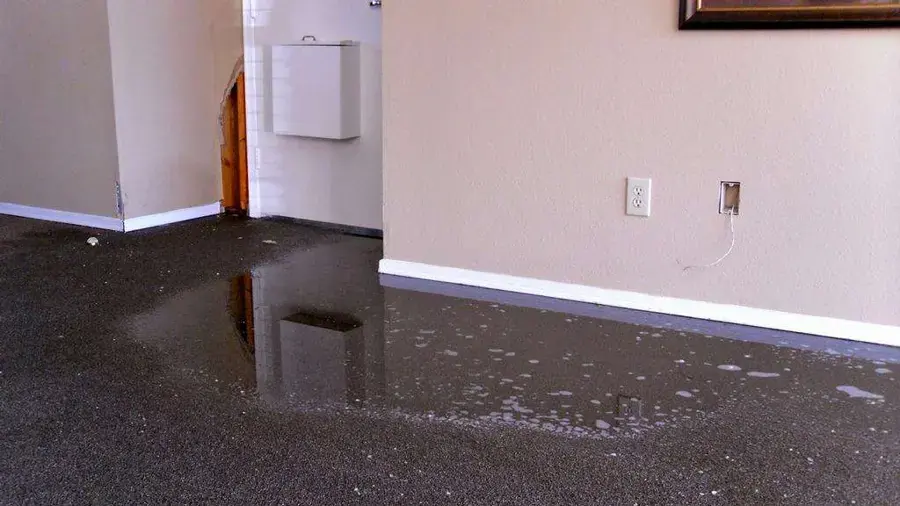
What to do first for water extraction and removal in Spring Valley
- 01
Stop the source
Close the fixture valve or the main so no new water enters.
- 02
Cut power to wet circuits
Switch off breakers for wet rooms if the panel is dry and safe to reach.
- 03
Stay out of deep water
Keep clear of standing water near outlets, cords and appliances.
- 04
Lift what you can
Move electronics, papers and furniture off the wet floor and photograph the room.
What does water extraction and removal cost in Spring Valley, CA?
In Spring Valley, CA, emergency water extraction typically runs $1,000 to $4,500 including the first round of drying equipment, depending on the square footage, the water category, the flooring type and how deep the water soaked into pad and walls.
One room
$1,000 to $1,800
- Truck-mounted extraction
- Carpet and pad assessment
- Air movers set
Several rooms
$1,800 to $3,200
- Extraction of carpet and hard floors
- Baseboard removal where wet
- LGR dehumidifiers
Whole level or deep water
$3,200 to $4,500+
- Multiple extraction passes
- Pad and flooring removal
- Full drying plan and logs
Every loss is different. For a closer planning number, run the water damage cost calculator.
How water extraction and removal is handled in Spring Valley
- 01
Moisture map first
The tech who does the walkthrough maps wet materials with pinless meters and thermal imaging before any equipment goes down.
- 02
Stop and extract
The source gets isolated, then the extraction crew pulls standing water with truck-mounted or portable extraction.
- 03
Set the drying plan
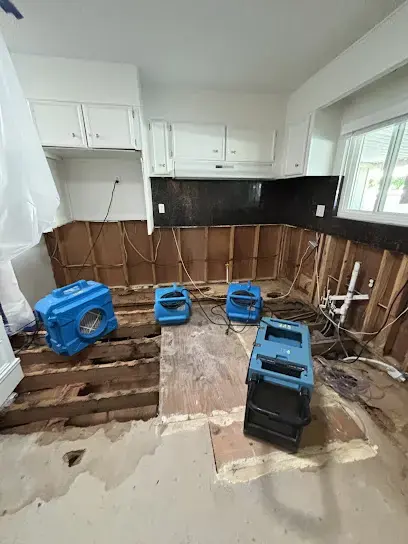
The drying team sets air movers to the evaporation load of each room and runs LGR dehumidifiers, or desiccants for dense materials.
- 04
Read daily, then verify
Crews log readings every day and pull equipment only when the wet material sits within 2 to 4 points of a dry reference.
Extraction is the cheapest drying there is. A gallon pulled off the floor by a pump never has to be evaporated out of a wall by a dehumidifier. That is why restoration crews in Spring Valley start nearly every water loss the same way: stop the source, map how far the water went, then pull as much of it out as the flooring allows. Whether the source is a burst pipe, a water heater in the garage or winter runoff at the slider, the first hours decide how much of the room can be saved.
What the extraction crew uses
- Truck-mounted extraction units for deep water and large areas
- Portable extractors for upstairs rooms, condos and tight hallways
- Weighted stand-on tools that press water out of carpet and pad
- Squeegee wands for tile, sealed concrete and luxury vinyl plank
- Submersible pumps when water is pooled in a garage or a crawlspace
What happens right after extraction
Once the standing water is gone, the tech who does the walkthrough maps what is still wet with pinless meters and thermal imaging. That map decides what stays and what goes:
- Carpet over clean water is often dried in place; wet pad is usually replaced
- Laminate and engineered flooring that has cupped usually comes up
- Drywall gets a flood cut only where readings stay high
- Air movers and LGR dehumidifiers run until readings meet the drying goal
Standing water in the house right now? The sooner it is extracted, the more flooring and drywall can stay.
Call for Spring Valley water extractionSafety before speed
Water and electricity do not mix, and contaminated water is a health hazard. The Ready.gov flood safety page covers staying out of floodwater, and the OSHA flood cleanup page explains the hazards cleanup workers manage. If the water came from a toilet, a sewer backup or outside runoff, the job follows sewage cleanup procedures instead. Extraction leads into structural drying on almost every job.
Water Extraction and Removal across Spring Valley and East County
The Spring Valley restoration crew covers the hillside streets, the Sweetwater River side of town and the neighboring East County communities, 24/7.
Coverage reaches La Presa, Casa de Oro, Mount Helix, Rancho San Diego, Lemon Grove, La Mesa, Bonita, Sweetwater, El Cajon, National City and Jamul, plus ZIP codes 91977, 91978, 91976, 91979.
Every community and ZIP coveredRelated water damage services in Spring Valley
Water Extraction and Removal questions in Spring Valley
A wet floor or wall does not wait for business hours. The response team for Spring Valley answers around the clock.
Speak with 24/7 dispatch for Spring ValleyHow fast should water be extracted?
As soon as possible. Water keeps wicking into drywall, pad and framing, and materials that stay wet for 24 to 48 hours can start to grow mold.
Can I just use a shop vacuum?
A shop vacuum helps on a small spill, but it removes a fraction of what truck-mounted extraction pulls out of carpet and pad. Water left behind has to be evaporated later, which makes drying longer.
Can wet carpet be saved?
Often, if the water was clean and extraction started quickly. Wet pad is usually replaced. Carpet that sat in Category 2 or 3 water is normally removed.
What does extraction not fix?
Extraction removes liquid water. Water already absorbed into drywall, framing and concrete still has to be dried with air movers and dehumidifiers.
Is extraction covered by insurance?
For a sudden, accidental loss it often is, after the deductible. Coverage depends on your policy, so it is worth checking with your own insurer.
Do I need to leave the house during extraction?
Usually not for a clean-water loss. For sewage or contaminated water, keep people and pets away from the affected area until it is cleaned.
Water Extraction and Removal in Spring Valley? Call now.
The sooner extraction starts, the less drywall, flooring and framing has to come out. One call starts the moisture map.