Slab Leak Water Damage in La Mesa, CA
In a La Mesa house or ground-floor unit built on concrete, a pipe under the floor can soak the slab for weeks. The restoration team maps it, opens only what it must and dries to readings.
(888) 450-9281Water still spreading in La Mesa? Call now.- IICRC S500 drying standard
- Daily moisture readings
- 24/7 dispatch
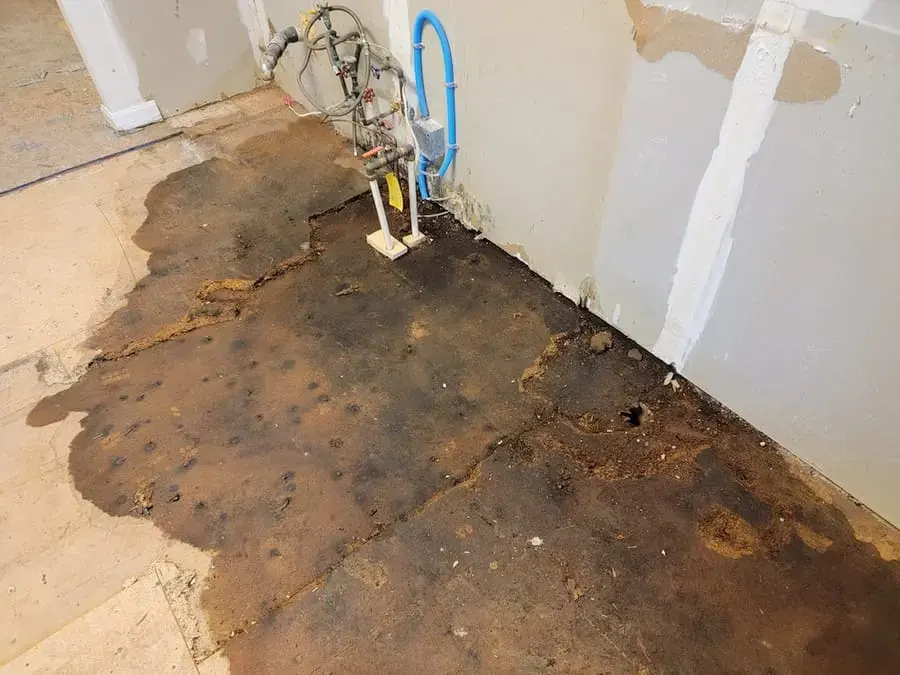
What to do first for slab leak water damage in La Mesa
- 01
Shut the main
Turn the house shut-off valve closed so the break under the floor stops refilling.
- 02
Watch the meter
With every tap and appliance off, a meter that keeps moving points to a hidden leak.
- 03
Warn the next unit
In a shared building, tell the neighbors and the manager, since water under a slab can travel.
- 04
Photograph first
Get dated photos of warm patches, stains, lifting boards and the meter dial early.
What does slab leak water damage cost in La Mesa, CA?
For a La Mesa slab leak, mitigation and drying typically run $1,500 to $7,500, apart from the plumbing bill. Price rises with the weeks the water ran, the rooms or units it reached, what flooring sits on top and whether desiccant units are needed for the concrete.
Caught early, one room
$1,500 to $3,000
- Moisture map of floor and walls
- Baseboards and pad pulled
- Air movers plus an LGR unit
Tile or several rooms
$3,000 to $5,500
- Flooring opened in the wet zone
- Drying mats on the concrete
- Daily readings logged
Long leak or two units
$5,500 to $7,500+
- Cabinet and wall removal
- Desiccant units on the concrete
- Claim file for each unit
Every loss is different. For a closer planning number, run the water damage cost calculator.
How slab leak water damage is handled in La Mesa
- 01
Trace the wet footprint
A thermal camera and pinless meters chart the slab, baseboards and nearby walls, and the unit next door gets checked when walls are shared.
- 02
Open only what is wet
Flooring is lifted only over trapped water, and drywall is opened only where high readings hold.
- 03
Dry the concrete
The drying team lays floor mats or runs desiccant dehumidifiers on dense slab areas, with air movers and LGR units for the room.
- 04
Verify against a dry reference
Readings run daily until concrete and framing match a dry spot in the same building, give or take 2 to 4 points.
About 73 percent of La Mesa housing was built before 1980, and the median home dates to 1971. In any of those houses or ground-floor units that sit on concrete, a supply pipe that fails under the floor pushes water into the concrete, under the flooring and up the bottom edge of the walls well before anything pools. The restoration team treats it as a drying problem: locate each wet square foot, pull what will not dry, then dry the slab.
Signs a slab leak is soaking a La Mesa floor
Water under concrete stays out of sight for a long time. Owners and renters usually catch it through one of these clues:
- A Helix Water District bill that climbs while household use stays the same
- A patch of floor that feels warm underfoot, a sign the hot supply is involved
- A hiss or trickle in the walls when no tap is open
- Carpet that stays damp, laminate seams that rise or wood planks that cup near one wall
- Baseboard paint that bubbles or darkens from the bottom
In an apartment or condo, tell the building manager early, since the pipe may serve more than one unit. Locating and fixing the pipe is plumbing work; the drying crew takes over the water that has already escaped. The slab leak warning-sign check runs through the same clues one by one.
How the slab and the rooms above it get dried
Older La Mesa buildings often mix finishes, from tile in kitchens to carpet in bedrooms, so the plan follows the readings rather than a fixed recipe. The mitigation team works in this order:
- Take up pad, laminate or tile in the zones the meters flag, and leave dry areas alone
- Remove baseboards that have swelled and open drywall where high readings hold
- Tape floor mats over the wet concrete or bring in desiccant units for dense areas
- Match the number of air movers and LGR units to each room
A warm floor, a climbing bill and a stained baseboard at the same time usually mean water is moving under the slab right now.
Get the slab dried before it spreadsWhen the wet area runs under a shared wall, the drying crew logs readings on both sides so each owner or tenant has a record of their own unit.
Claim records for a La Mesa slab leak
Insurers often split a slab claim into the plumbing fix and the resulting water damage, and the paperwork decides the second part. A La Mesa file carries the day-one moisture map, the daily humidity and moisture logs, pictures of soaked flooring taken before it came up, and the category and class assigned to the loss. What is covered comes down to the policy wording, so ask the insurer early. A long-running leak often calls for structural drying and water extraction as well, and the La Mesa water damage restoration team covers the rest of the house.
Slab Leak Water Damage across La Mesa, CA
The La Mesa restoration crew covers every neighborhood in La Mesa, around the clock.
Coverage reaches La Mesa Village, Grossmont, Fletcher Hills, Windsor Hills, Murray Manor, Northmont, Rolando and Mount Helix, plus ZIP codes 91941, 91942.
Every community and ZIP coveredRelated water damage services in La Mesa
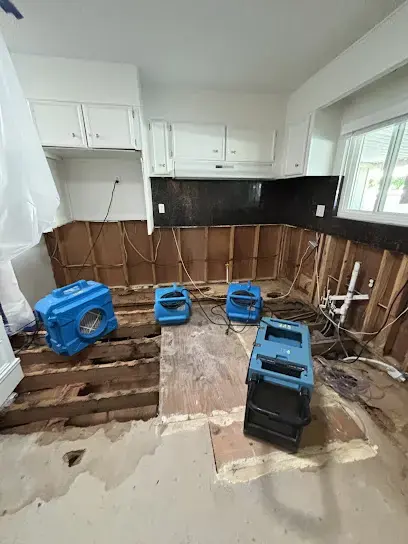 Structural Drying & Dehumidification in La MesaSee the service
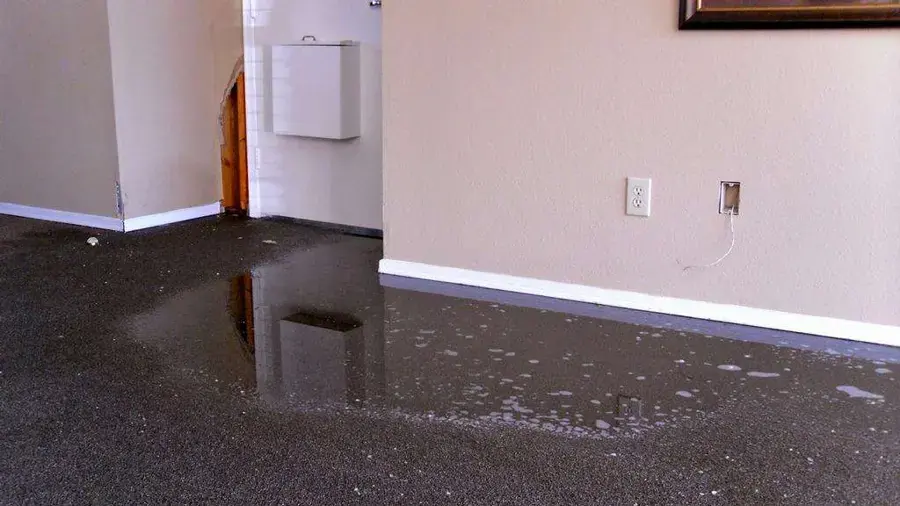 Water Extraction & Removal in La MesaSee the service
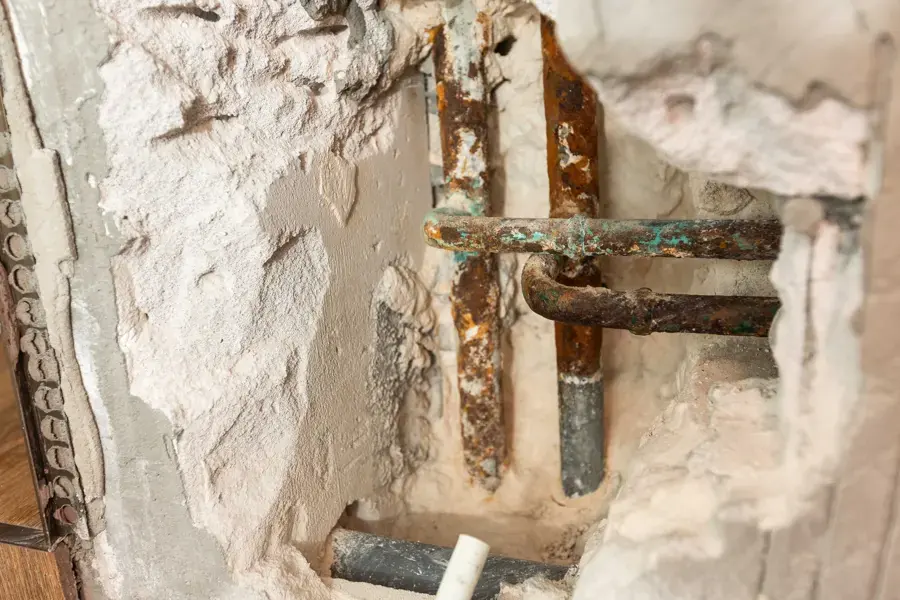 Burst Pipe Cleanup in La MesaSee the service
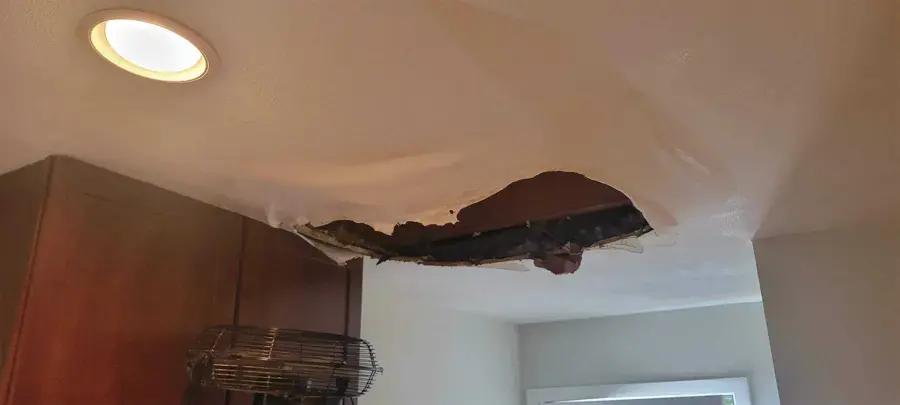 Ceiling Leak Water Damage in La MesaSee the service
Slab Leak Water Damage in Spring ValleySee the service
Ceiling Leak Water Damage in La MesaSee the service
Slab Leak Water Damage in Spring ValleySee the service
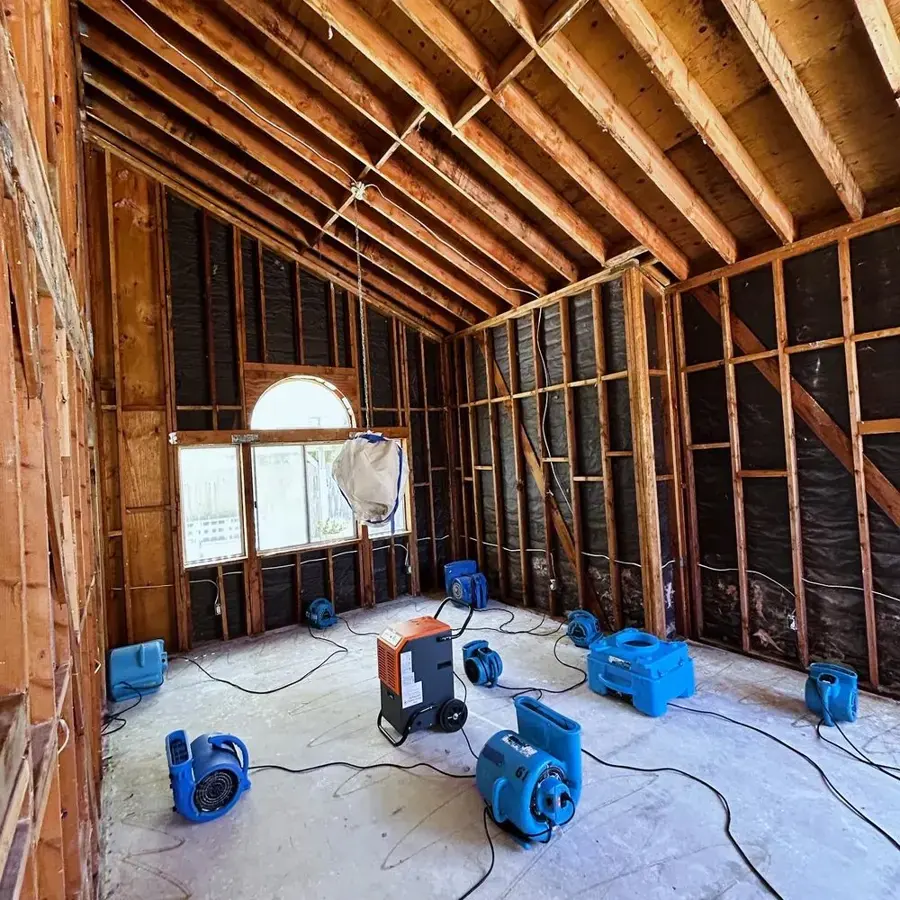 Water damage restoration in La MesaSee the service
Slab Leak Water Damage questions in La Mesa
A wet floor or wall does not wait for business hours. The response team for La Mesa answers around the clock.
Speak with 24/7 dispatch for La MesaHow can I tell if a La Mesa floor has a slab leak?
Put several clues together: a higher Helix Water District bill, a meter dial that turns with the house quiet, a warm or damp patch underfoot and baseboards darkening from the bottom. Leak detection pins down the pipe, and moisture mapping shows how far the water went.
Will the whole floor have to be torn out?
Rarely. Meters mark the wet zone and only that section is opened. Tile set over soaked concrete usually comes up, since the slab cannot breathe through it, while carpet can sometimes be peeled back, dried and laid again once the readings allow.
Who fixes the pipe, and who dries the building?
Finding the break and repairing or rerouting the pipe is a plumber's job. Everything after that, from pulling water and wet materials to drying the concrete and framing and keeping the insurer's records, falls to the restoration team.
What if the leak reaches the apartment next door?
In a shared La Mesa building, water under a slab can move past the unit where the pipe failed. The drying crew takes readings in each affected unit, keeps separate photos and logs, and works with the manager so every owner or tenant has a clear record.
Is slab leak water damage covered by insurance in La Mesa?
A sudden plumbing failure is often a covered water loss, while the pipe repair itself and seepage that went on for months may be handled differently. The policy wording decides, so a call to the insurer before flooring comes up is worth making.
Does household water pressure play a role?
It can. Helix Water District notes that pressure in a home can reach 70 psi, and constant pressure keeps feeding a break under the floor. A plumber can check whether the pressure regulator is doing its job once the leak is repaired.
Can mold grow under a wet slab floor?
It can. Pad, laminate and baseboards that stay wet give mold a start within 24 to 48 hours. Quick extraction and drying to a measured target keep the job a water cleanup rather than something larger.
Slab Leak Water Damage in La Mesa? Call now.
The sooner extraction starts, the less drywall, flooring and framing has to come out. One call starts the moisture map.