Water Extraction & Removal in Chula Vista, CA
Water that stays on a floor soaks upward into drywall, pad and framing, and every hour adds work. The Chula Vista extraction crew removes the pooled water first, which keeps the drying phase short.
(888) 450-9281Water still spreading in Chula Vista? Call now.- IICRC S500 drying standard
- Daily moisture readings
- 24/7 dispatch
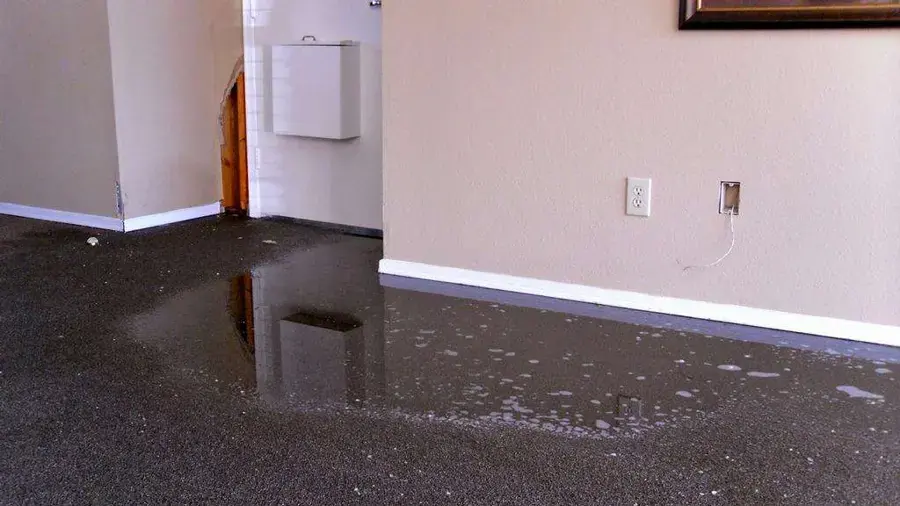
What to do first for water extraction and removal in Chula Vista
- 01
Find the source
Close the valve for the fixture or the house main so more water stops arriving.
- 02
Think about power
Breakers for wet rooms can be switched off, but only from dry footing.
- 03
Avoid the water
Do not wade through water where cords, outlets or appliances are submerged.
- 04
Raise what you can
Get electronics, papers and small furniture off the floor, then photograph the room.
What does water extraction and removal cost in Chula Vista, CA?
Emergency extraction in Chula Vista typically costs $1,000 to $4,500 with the first drying equipment included. The size of the wet floor, the water category, the flooring and how far water soaked into pad and walls decide where a job falls in that range.
One wet room
$1,000 to $1,800
- Truck-mounted pump-out
- Pad and carpet assessed
- First air movers set
Several rooms
$1,800 to $3,200
- Carpet and hard floors cleared
- Wet baseboard pulled
- LGR dehumidifiers running
Deep water or a full level
$3,200 to $4,500+
- Repeated extraction passes
- Pad and flooring removed
- Drying plan with daily logs
Every loss is different. For a closer planning number, run the water damage cost calculator.
How water extraction and removal is handled in Chula Vista
- 01
Check the hazards
Live circuits are identified, and any sign that the water is contaminated is flagged before the crew steps in.
- 02
Clear the bulk water
Truck-mounted units handle deep water, while portable extractors reach upstairs rooms, hallways and apartments.
- 03
Press out the floors
Weighted tools squeeze carpet and pad, and squeegee wands lift water from tile, sealed concrete and vinyl plank.
- 04
Hand off to drying
Moisture mapping shows what is still wet, and air movers with LGR dehumidifiers take it from there.
A gallon removed by a pump is a gallon no dehumidifier has to pull out of a wall later. Chula Vista crews therefore treat extraction as the opening move on almost every loss, whether a hose let go in a rented apartment, a tank failed in a garage or storm water crossed a doorway. Rental buildings add a second concern, since water that is left to spread can reach the unit below in a few hours. How much carpet, drywall and cabinetry survives depends largely on how fast the pooled water leaves.
What happens on the first visit
The visit follows a steady order, even when the room looks chaotic:
- The tech checks for live circuits and for signs the water is contaminated
- Deep water goes first, pumped out with truck-mounted or portable gear
- Carpet and pad are pressed with weighted tools, and hard floors are squeegeed
- Pinless meters and a thermal camera then show where moisture remains
- Equipment is placed so the drying starts before the crew leaves the room
Water that came from outdoors or a drain is treated differently from a clean pipe leak. In that case the job shifts to sewage cleanup handling, with contaminated materials removed rather than saved. The crew states which category applies before work begins, so the owner knows what to expect.
What can be saved afterward
Once the surface water is gone, the readings sort materials into keepers and removals:
- Carpet that sat in clean water can often be dried in place, but its pad usually goes
- Cupped laminate and engineered planks generally come up
- Drywall is cut only where the meters stay high
- Cabinets and baseboards are checked from behind before anything is pulled
- Hardwood is tested board by board, because some floors recover and some do not
Water pooled on the floor right now? Every hour before extraction puts more flooring and drywall at risk.
Call for water extractionWhy storm season matters here
Chula Vista rain is low and erratic, but a heavy storm can still put water inside a home. On January 22, 2024, flooding was reported on northbound I-805 at East Palomar Street during a historic winter storm across San Diego County. Extraction leads straight into structural drying on nearly every job, since pumps only remove what is liquid. What remains in the framing and subfloor is dried to a measured target, never guessed at.
Water Extraction and Removal across Chula Vista, CA
The Chula Vista restoration crew covers every neighborhood in Chula Vista, around the clock.
Coverage reaches West Chula Vista, Third Avenue Village, Montgomery, Castle Park, Otay, Eastlake, Rancho del Rey, Otay Ranch, Millenia, Lomas Verdes and Chula Vista Marina, plus ZIP codes 91910, 91911, 91913, 91914, 91915, 91909.
Every community and ZIP coveredRelated water damage services in Chula Vista
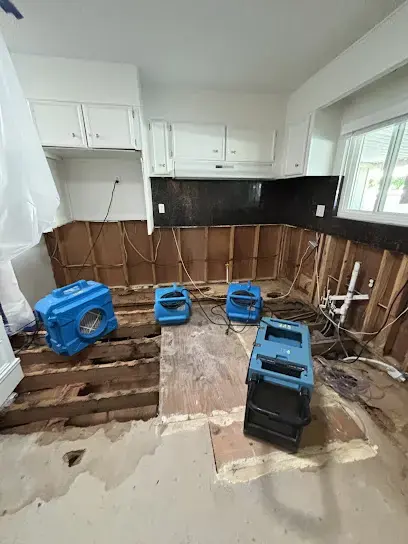 Structural Drying & Dehumidification in Chula VistaSee the service
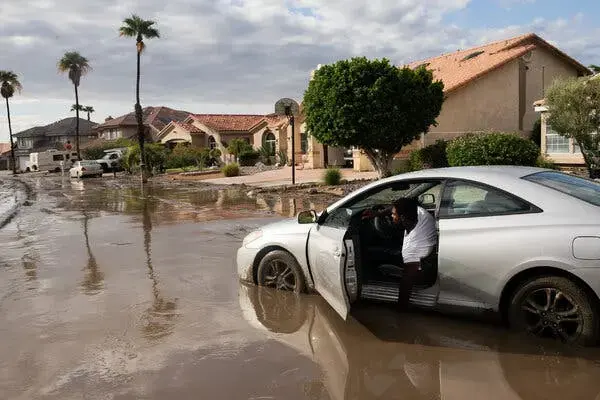 Storm & Hillside Runoff Flood Cleanup in Chula VistaSee the service
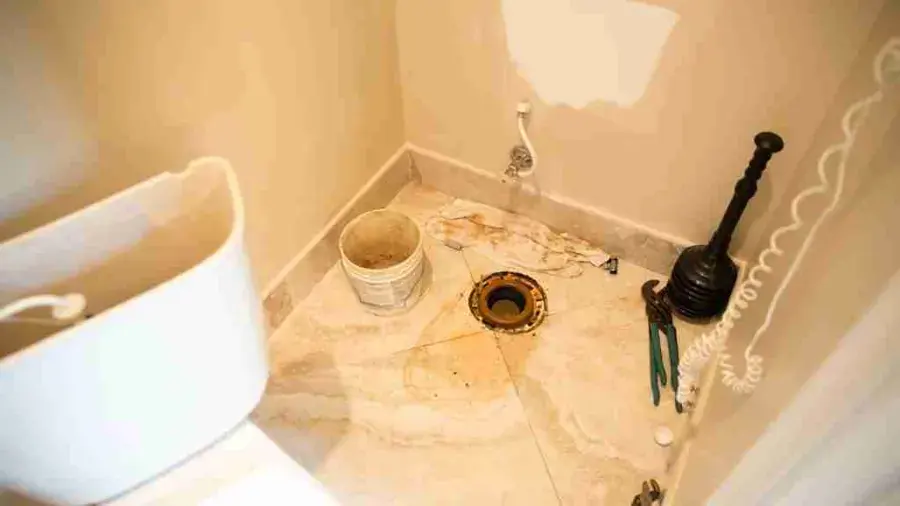 Sewage & Black Water Cleanup in Chula VistaSee the service
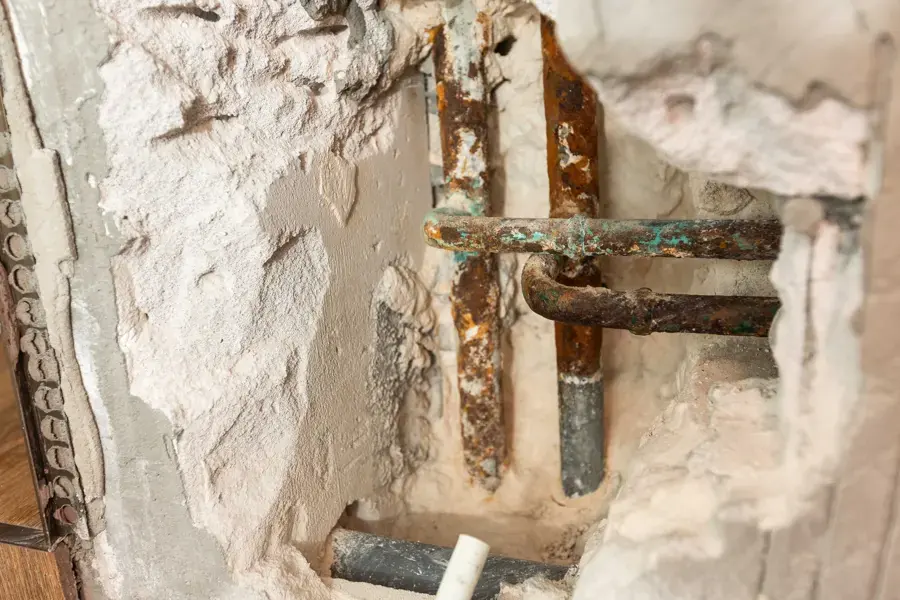 Burst Pipe Cleanup in Chula VistaSee the service
Water Extraction & Removal in Spring ValleySee the service
Burst Pipe Cleanup in Chula VistaSee the service
Water Extraction & Removal in Spring ValleySee the service
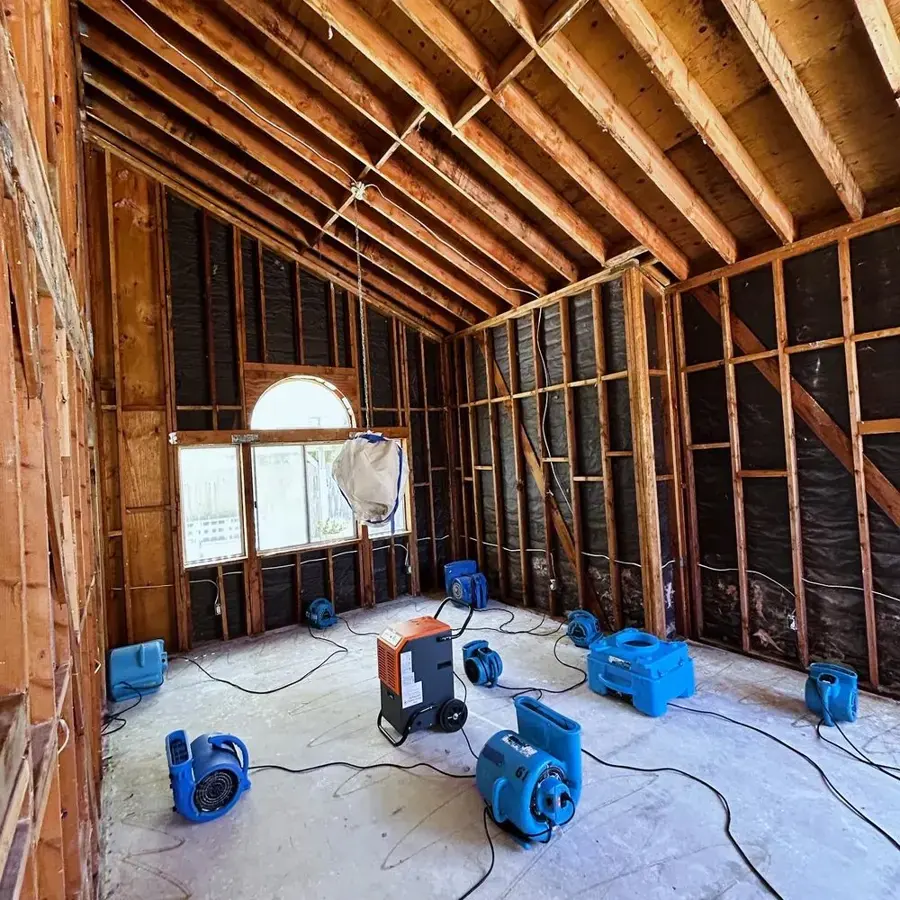 Water damage restoration in Chula VistaSee the service
Water Extraction and Removal questions in Chula Vista
A wet floor or wall does not wait for business hours. The response team for Chula Vista answers around the clock.
Speak with 24/7 dispatch for Chula VistaHow fast does standing water need to go?
Faster is better. Water wicks into drywall, pad and framing while it sits, and materials that stay wet for 24 to 48 hours can start supporting mold, which turns a water job into something bigger. Early extraction is the cheapest fix available.
Is a wet-dry vacuum enough?
It handles a spilled bucket. For a flooded room it recovers only a small share of what a truck-mounted unit lifts, and whatever stays behind has to be evaporated later, which stretches the drying and raises the bill.
Will the carpet survive?
Often it does when the water was clean and the pump-out was prompt, though the pad underneath is usually replaced. Carpet that sat in gray or black water is normally removed instead of saved.
What is left to do after extraction?
Extraction clears liquid only. Water absorbed into drywall, framing, subfloor and concrete still has to come out through air movers, dehumidifiers and daily readings, which is why extraction leads straight into a drying plan.
Is extraction part of an insurance claim?
For a sudden, accidental loss it commonly is, after the deductible. Policies differ, so the insurer is the best source for what a given loss includes. Photos taken before the pump-out and a note of when the water started help the adjuster.
Does everyone need to leave during pump-out?
With clean water, people can usually remain in the home and stay clear of the work zone. Where the water is contaminated, everyone including pets should stay away from the affected rooms until cleanup is finished.
Should furniture be moved before the pump-out?
Small items, electronics and anything that can stain should go onto dry ground first. Heavy pieces are lifted onto blocks or foil tabs by the crew so the pump can reach the whole floor.
Water Extraction and Removal in Chula Vista? Call now.
The sooner extraction starts, the less drywall, flooring and framing has to come out. One call starts the moisture map.