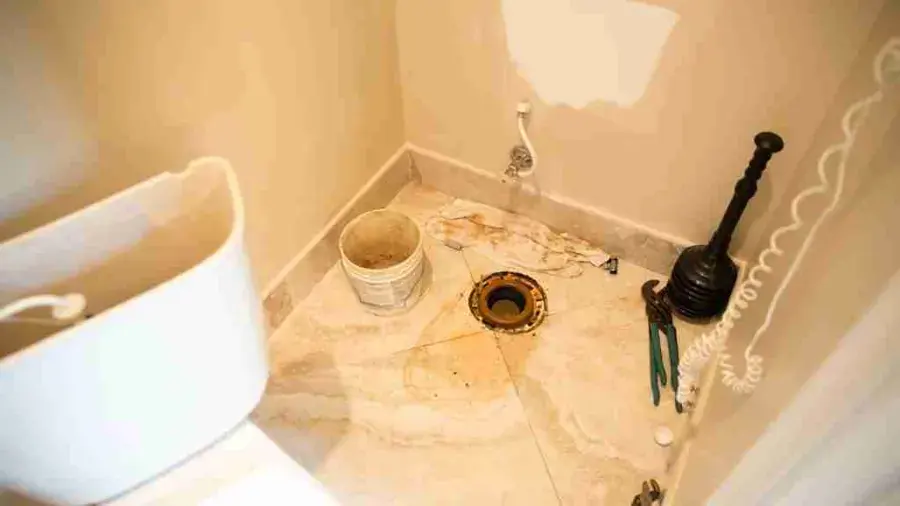
A sewage backup is more than a wet floor. In Lemon Grove the answer to who fixes the pipe depends on where the blockage sits, and the cleanup of the house cannot wait for that answer.
Key takeaways
- The Lemon Grove Sanitation District maintains the city's sewer collection pipes and is responsible for the main.
- Property owners are responsible for the lateral that runs from the building to the main, including repair, overflow cleanup and damages.
- Digging in the public right of way to repair a lateral needs an encroachment permit from the City of Lemon Grove.
- Sewage is Category 3 water: porous materials that touched it are removed, and hard surfaces are cleaned and disinfected.
- Keep children, pets and food away from the area until cleanup is finished.
Lateral and main: the two pipes behind a backup
Every house in Lemon Grove drains through two kinds of pipe. The lateral is the pipe that runs from the building out to the sewer. The main is the larger pipe in the street that collects from many homes.
The Lemon Grove Sanitation District maintains the city's sewer collection pipes. It sends the wastewater on to the San Diego Metropolitan Wastewater Department for treatment, and it takes part in the Metro Wastewater Joint Powers Authority.
Property owners are responsible for the lateral from the building to the main. That includes repair, overflow cleanup and damages. The district is responsible for the main.
How to tell where the blockage is
The source of the backup decides who has to fix the pipe. A few simple clues help, and a plumber with a camera confirms them.
- Only one house backs up: the problem is more likely in that home's lateral.
- Several neighbors back up at the same time: the main may be the cause, and the district should be told.
- The lowest drains back up first: a shower, floor drain or tub at the bottom of the house gives way before the sinks.
- Gurgling in other fixtures when one drains: a sign the pipe is partly blocked.
- A cleanout in the yard that is full of water: the blockage is downstream of it.
What to do right away
The safety steps come first. Raw sewage carries bacteria, and it should not be handled with bare hands.
A sewage cleanup crew can start on the house once the water has stopped rising.
- Stop using sinks, toilets, showers and the washing machine.
- Keep everyone out of the wet area, especially children and pets.
- Turn off the power to a flooded room only if the breaker panel is dry and you can reach it safely.
- Photograph the backup and the affected rooms.
- Call a plumber to find the blockage and note where it sits.
What a plumber's camera can show
A plumber can run a small camera through the lateral to see what is blocking it. The footage shows whether the cause is grease, paper, roots or a cracked or sagging pipe.
That recording is useful twice. It tells the owner what has to be repaired, and it shows whether the blockage sits in the lateral or has moved on to the main.
If the camera shows the blockage past the point where the lateral meets the main, the plumber can point the owner toward the Lemon Grove Sanitation District.
- Ask for the footage or a written report that names the location.
- Note the date and time of the inspection.
- Keep the report with the cleanup records.
Why a sewage backup is cleaned differently
Sewage is Category 3 water, the most contaminated category. Water from a clean supply pipe can often be dried in place. Water from a backup cannot.
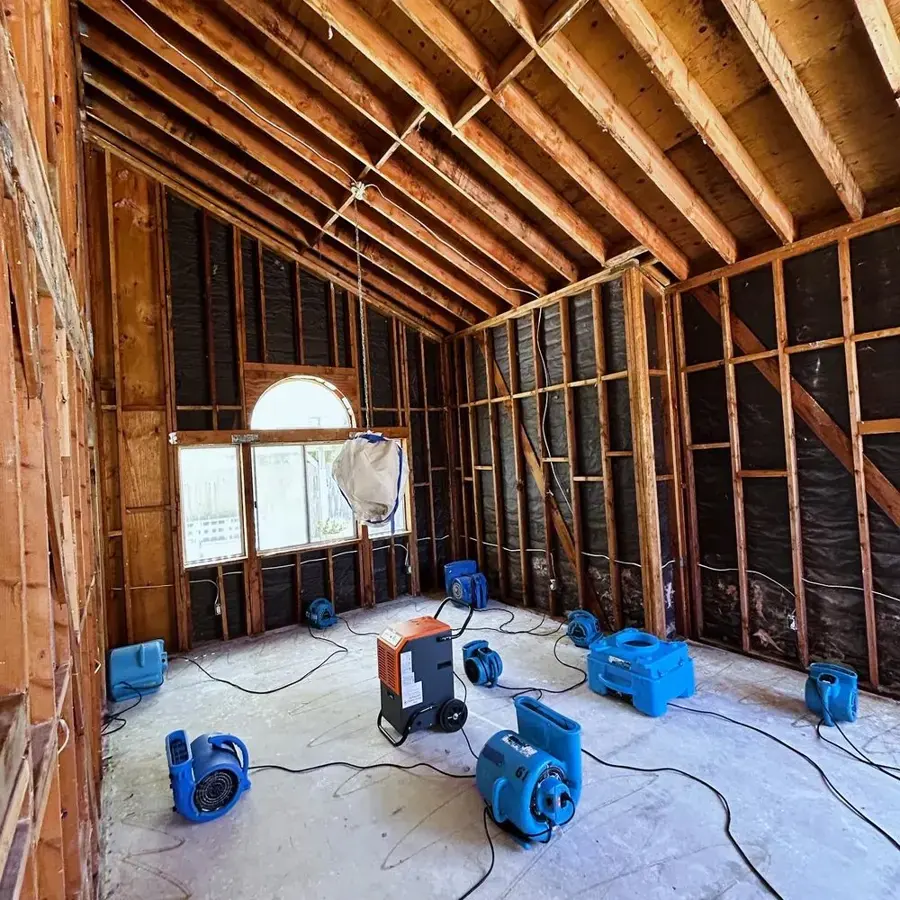
The cleanup therefore removes what soaked it up. Carpet, padding and wet drywall at the base of a wall are cut out and bagged, because they cannot be made safe once they have soaked up the water.
What comes out
Porous materials that touched sewage are removed rather than saved.
- Carpet and padding.
- Wet drywall and insulation at the base of a wall.
- Cardboard boxes, fabrics and particle board furniture that wicked up the water.
What stays and is cleaned
Hard surfaces such as concrete, tile and framing are scrubbed, treated with a disinfectant and then dried.
Where the encroachment permit comes in
If the lateral has to be dug up in the street or the sidewalk, the work is in the public right of way. Digging there to repair a lateral needs an encroachment permit from the City of Lemon Grove.
That permit belongs to the pipe repair, not to the cleanup inside the house. The plumber handles it, and the restoration team works on the interior at the same time.
Habits that keep a lateral clear
Most lateral backups start with something that should not have gone down the drain. A few habits lower the odds.
- Keep grease and cooking oil out of the sink.
- Flush only toilet paper, and put wipes in the trash even if the package says flushable.
- Have the lateral cleared if a drain runs slowly more than once.
- Watch for lush, soggy patches in the yard over the pipe.
- Ask a plumber about a backwater valve if low fixtures keep backing up.
Documenting the loss
Because the owner pays for lateral overflow cleanup and damages, records matter. A plumber's report that names the blockage and its location is worth keeping.
The restoration team adds moisture readings, photos of what was removed and a list of the materials that were cleaned or replaced.
If the district's main turns out to be the source, those records support a conversation about responsibility. Whether a claim is made is a decision for the owner and the insurer.
Drying and cleaning the structure afterward
Once the contaminated materials are out, the remaining floor and framing are cleaned and dried to readings. Air movers and dehumidifiers run until the structure is dry.
A backup that reached a bathroom or garage floor can also seep under cabinets and into shared walls. The crew checks those spots with a moisture meter before declaring the job done.
For the full list of what the crew does, see the Lemon Grove hub and the main sewage cleanup page.